REDUCING ALCOHOL

Alcohol is one of the leading causes of liver disease worldwide.


Give your liver a break.

sobriety

Your liver works constantly to keep you healthy. It processes nutrients, filters toxins and supports vital functions every hour of the day. Alcohol places a heavy load on this organ. Even small amounts are processed as a toxin, which means regular drinking or drinking a large amount in one sitting (also known as binge drinking) can gradually injure liver tissue.

Many people assume that alcohol related harm only affects those who drink every day or those who feel dependent. In reality, damage often develops silently over many years and can affect anyone who regularly drinks, especially through binge drinking. Because the liver does not usually show early warning signs of damage, many people remain unaware of the strain alcohol is placing on their body until significant scarring has occurred.

Why it matters:

  • Alcohol is one of the leading causes of liver disease. Alcohol-related liver disease (ALD) is a major public health concern, increasingly impacting global disease burden and premature mortality. In 2019, ALD accounted for the loss of 11 million life-years worldwide
  • Drinking alcohol is associated with risks of developing noncommunicable diseases such as liver diseases, heart diseases, and different types of cancers, as well as mental health and behavioural conditions such as depression, anxiety and alcohol use disorders.
  • Alcohol is an established carcinogen and alcohol consumption increases the risk of several cancers, including breast, liver, head and neck, oesophageal and colorectal cancers.
  • No level of alcohol is completely safe. Even small amounts can cause harm. The risk varies from person to person and is shaped by how much and how often someone drinks, their general health, age and sex, and the setting in which alcohol is consumed.

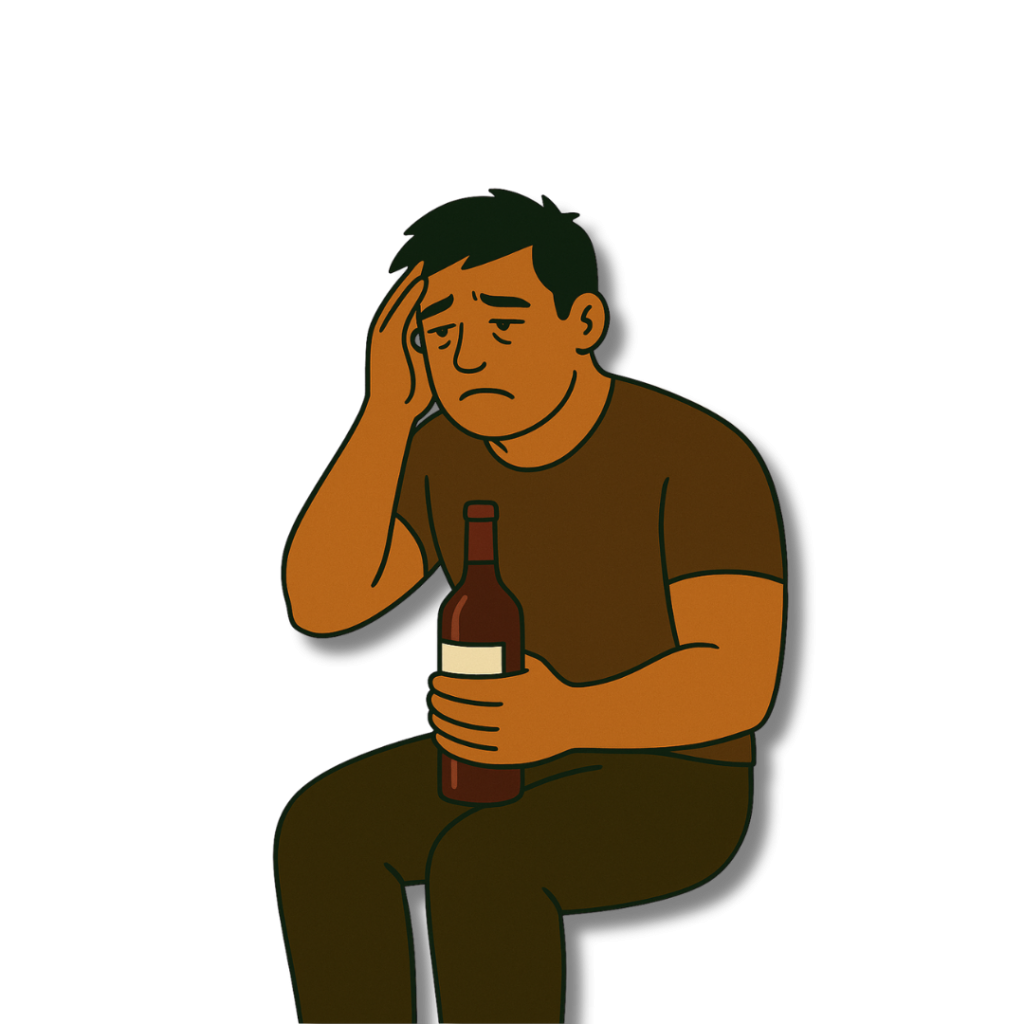
There’s a strong link between heavy drinking and depression, and hangovers often make you feel anxious and low. If you already feel anxious or sad, drinking can make this worse, so cutting down may put you in a better mood generally.

Drinking alcohol can affect your sleep. Although it can help some people fall asleep quickly, it can disrupt your sleep patterns and stop you sleeping deeply. So cutting down on alcohol should help you feel more rested when you wake up.

Drinking alcohol can affect your judgement and behaviour. You may behave irrationally or aggressively when you’ve had a drink. Memory loss can be a problem during drinking and in the long term for regular heavy drinkers.

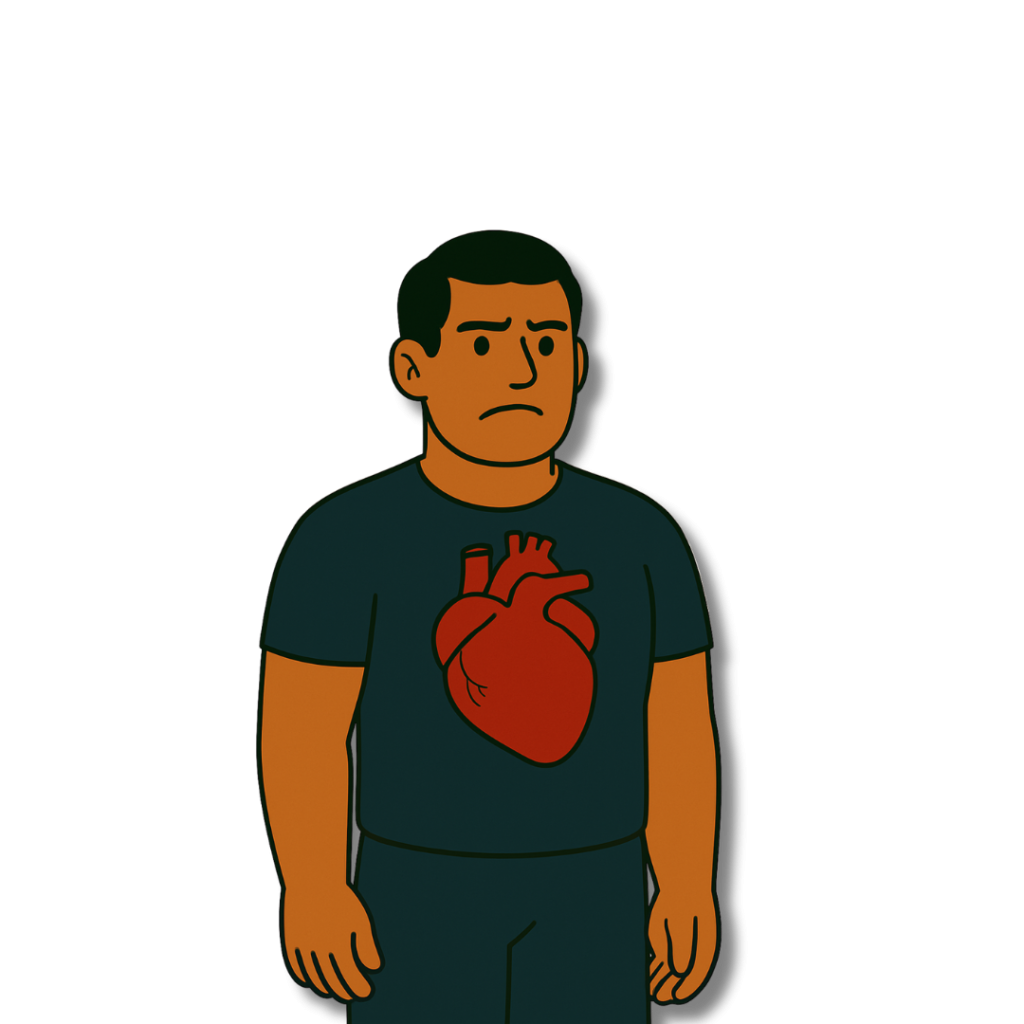
Long-term heavy drinking can lead to your heart becoming enlarged. This is a serious condition that cannot be completely reversed, but stopping drinking can prevent it getting worse.

Regularly drinking alcohol can affect your body’s ability to fight infections. Heavy drinkers tend to catch more infectious diseases. People who already have liver disease are advised to avoid alcohol consumption to prevent accelerated liver disease. 

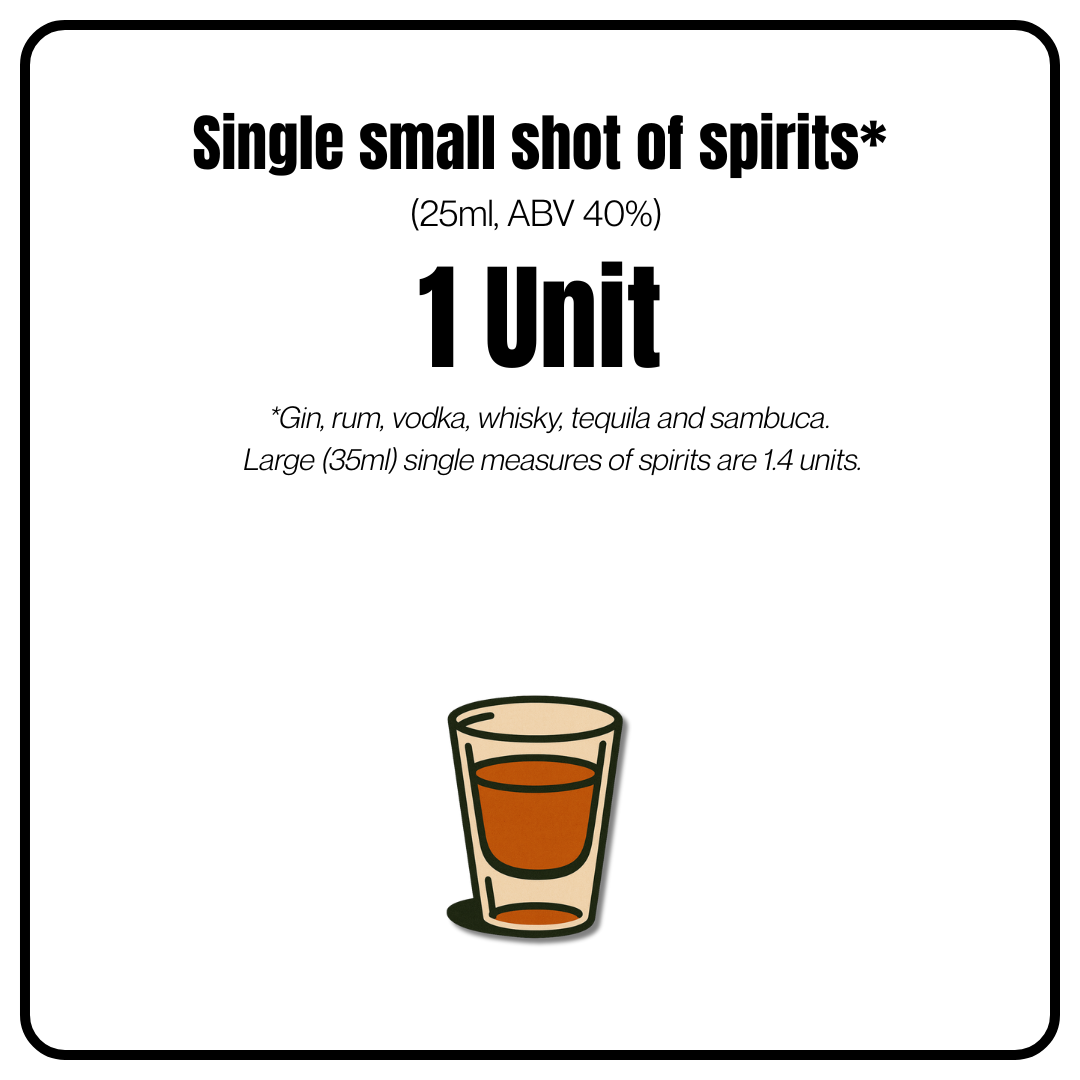
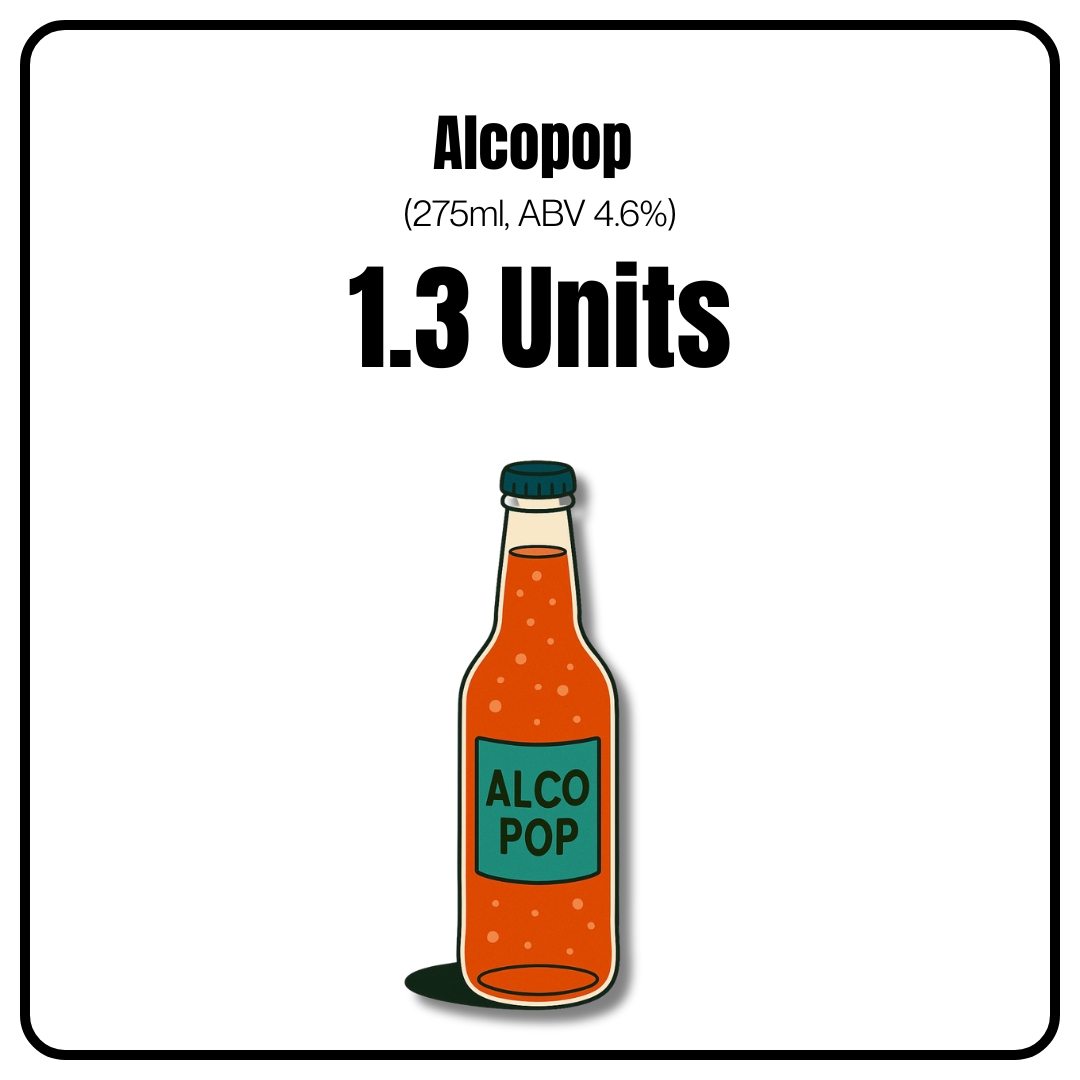
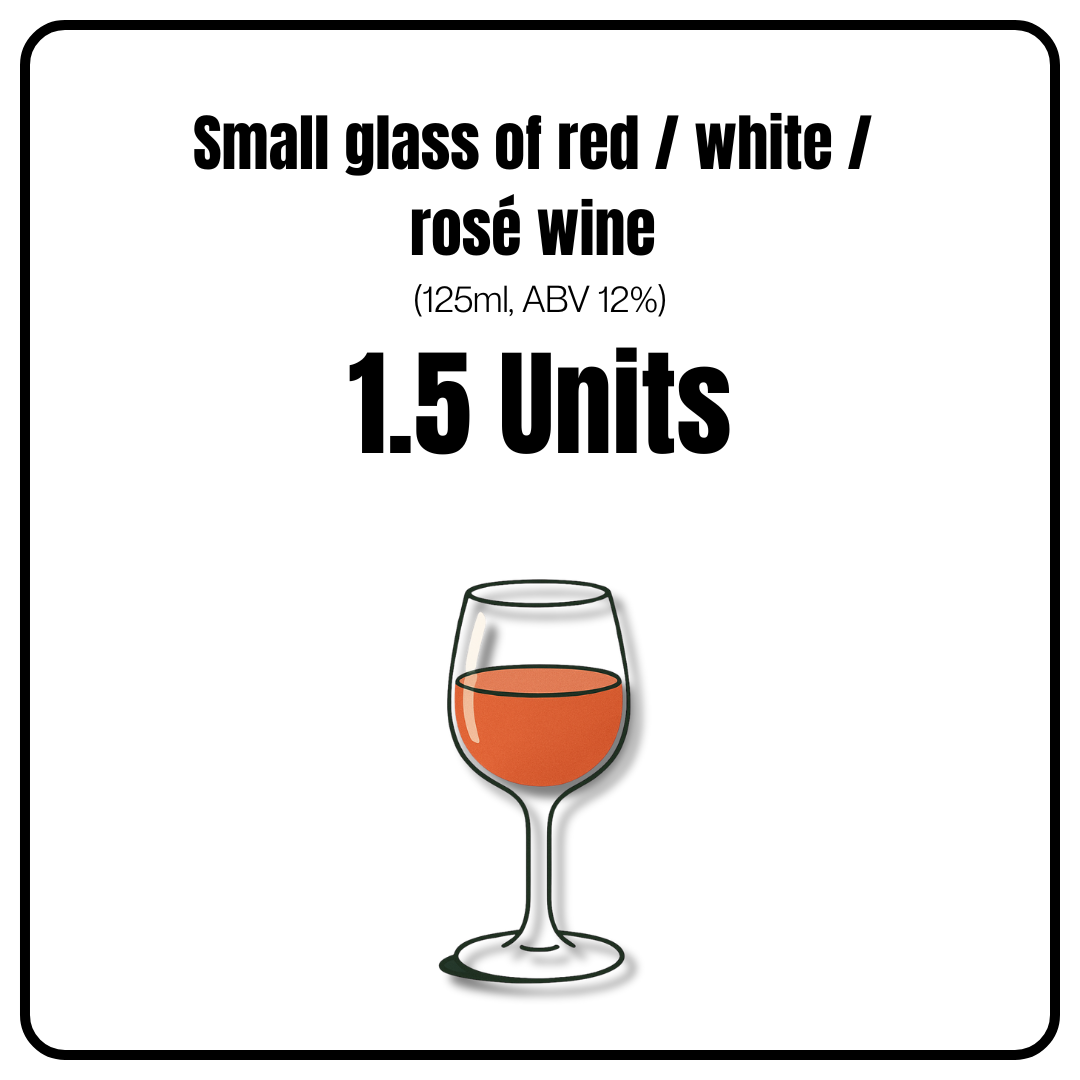
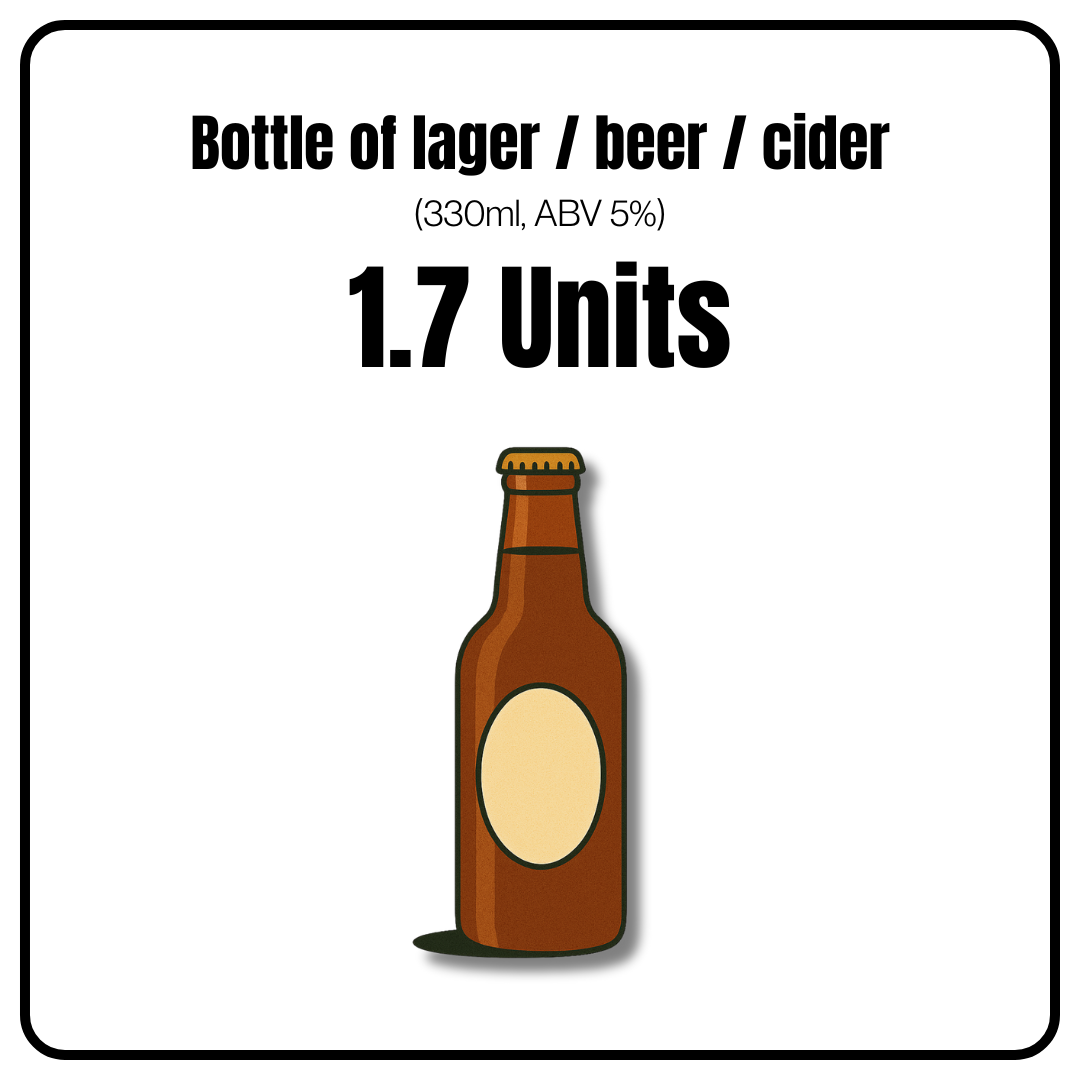
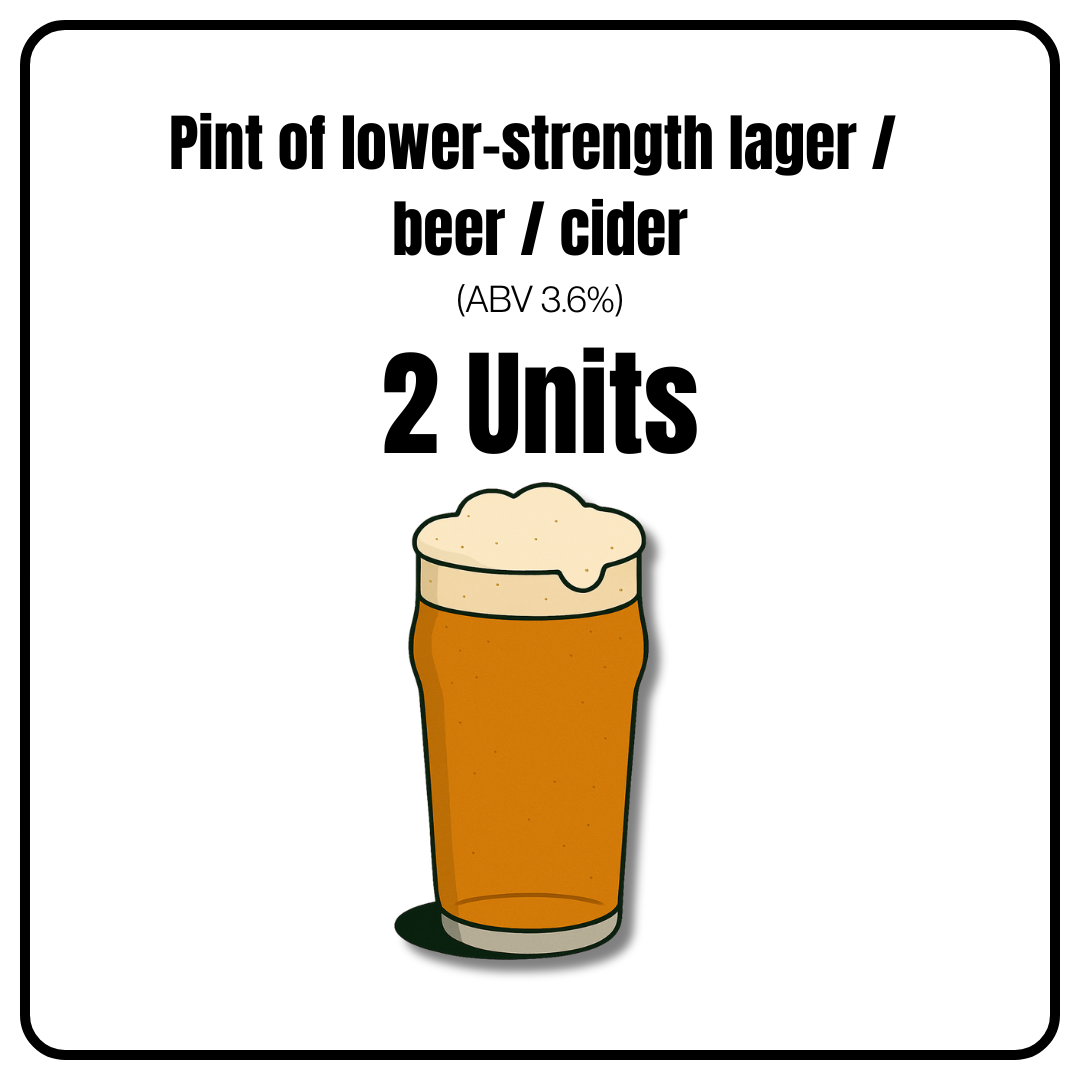
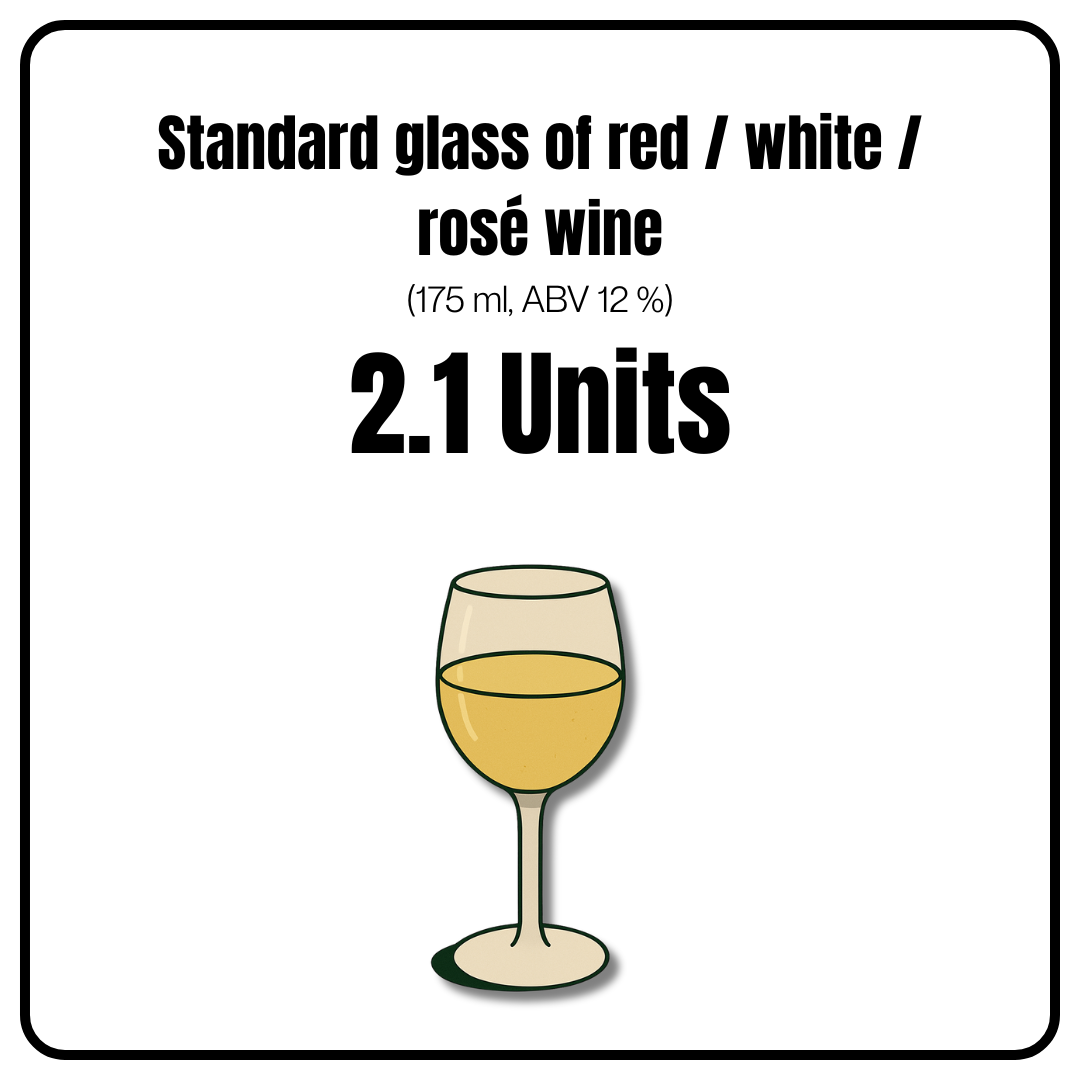
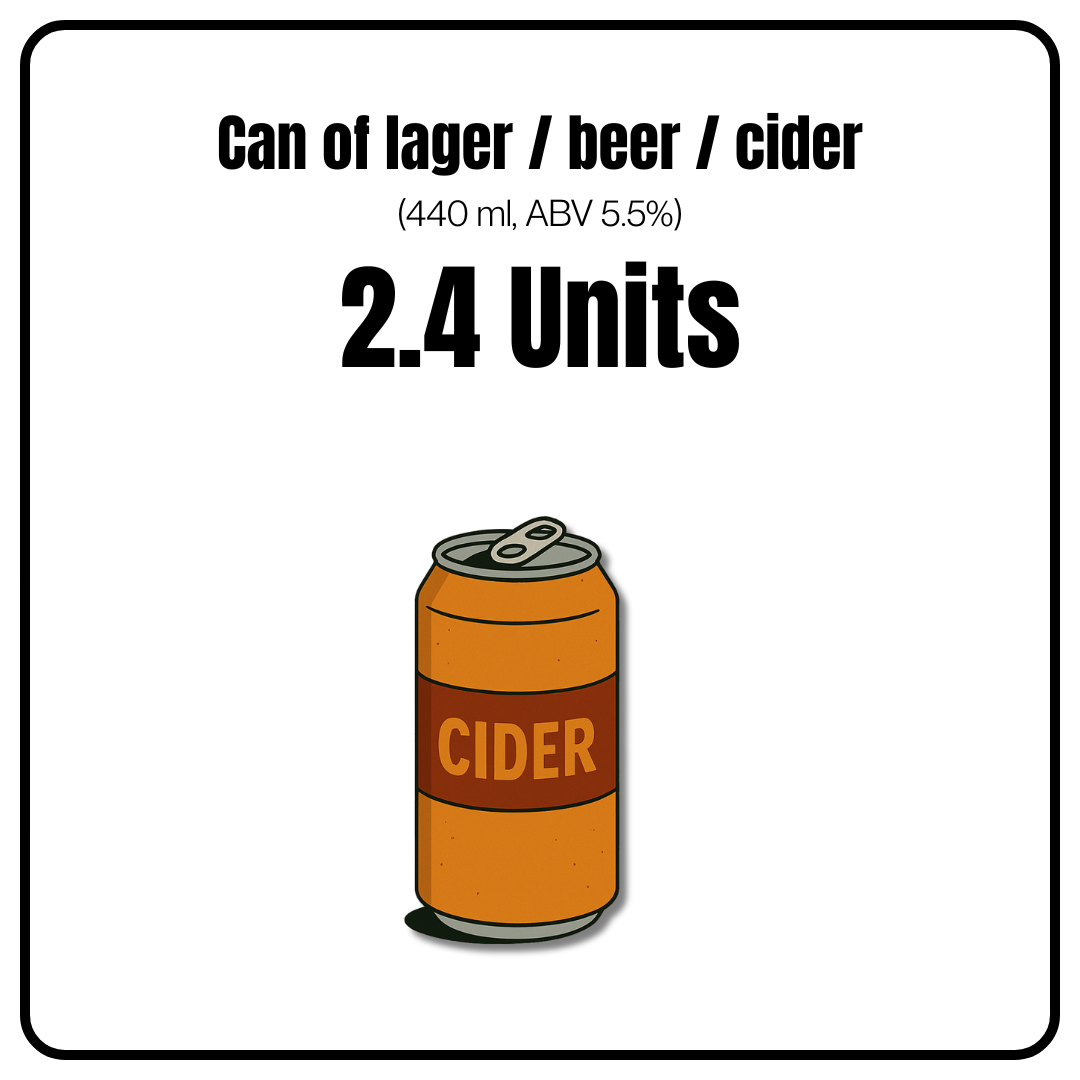
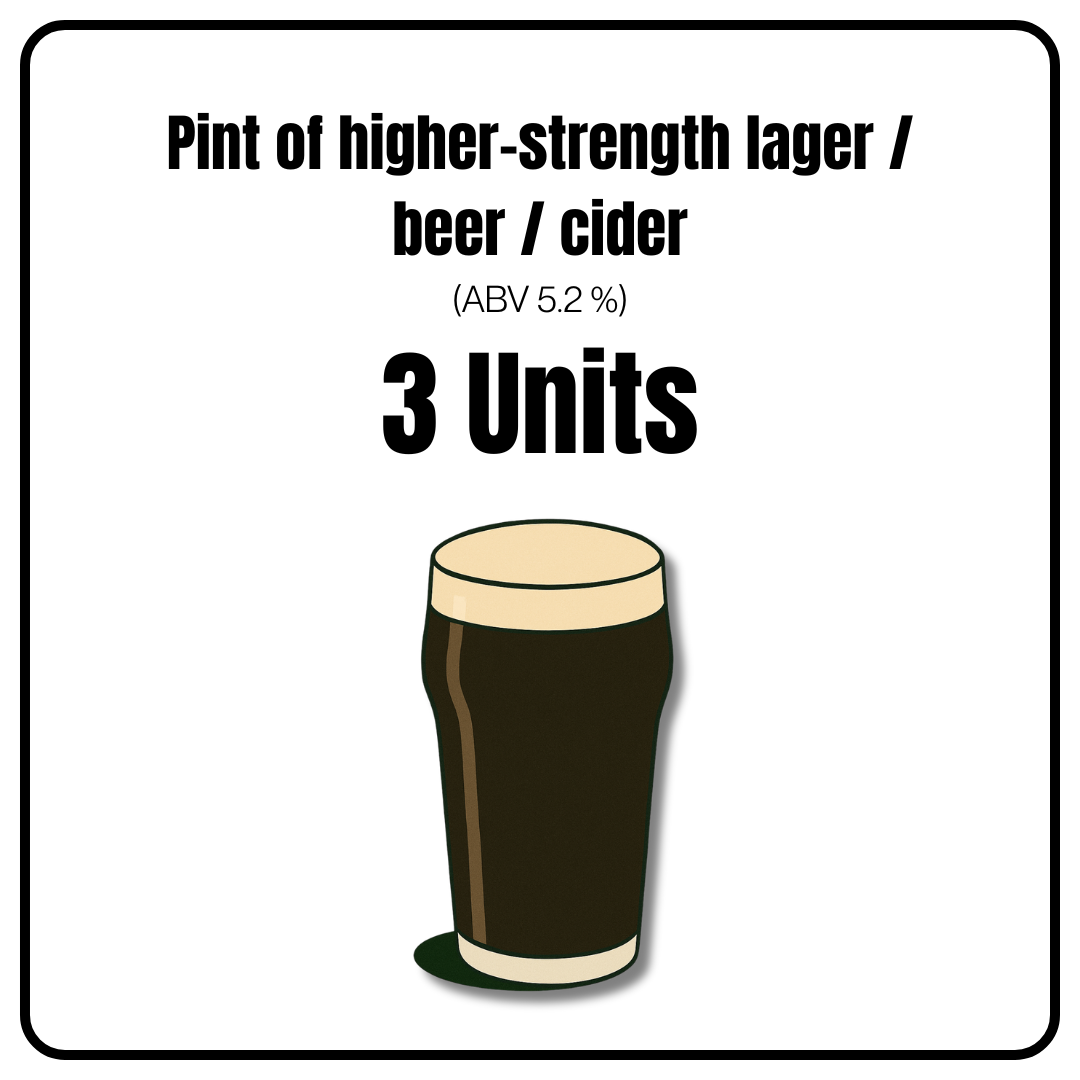
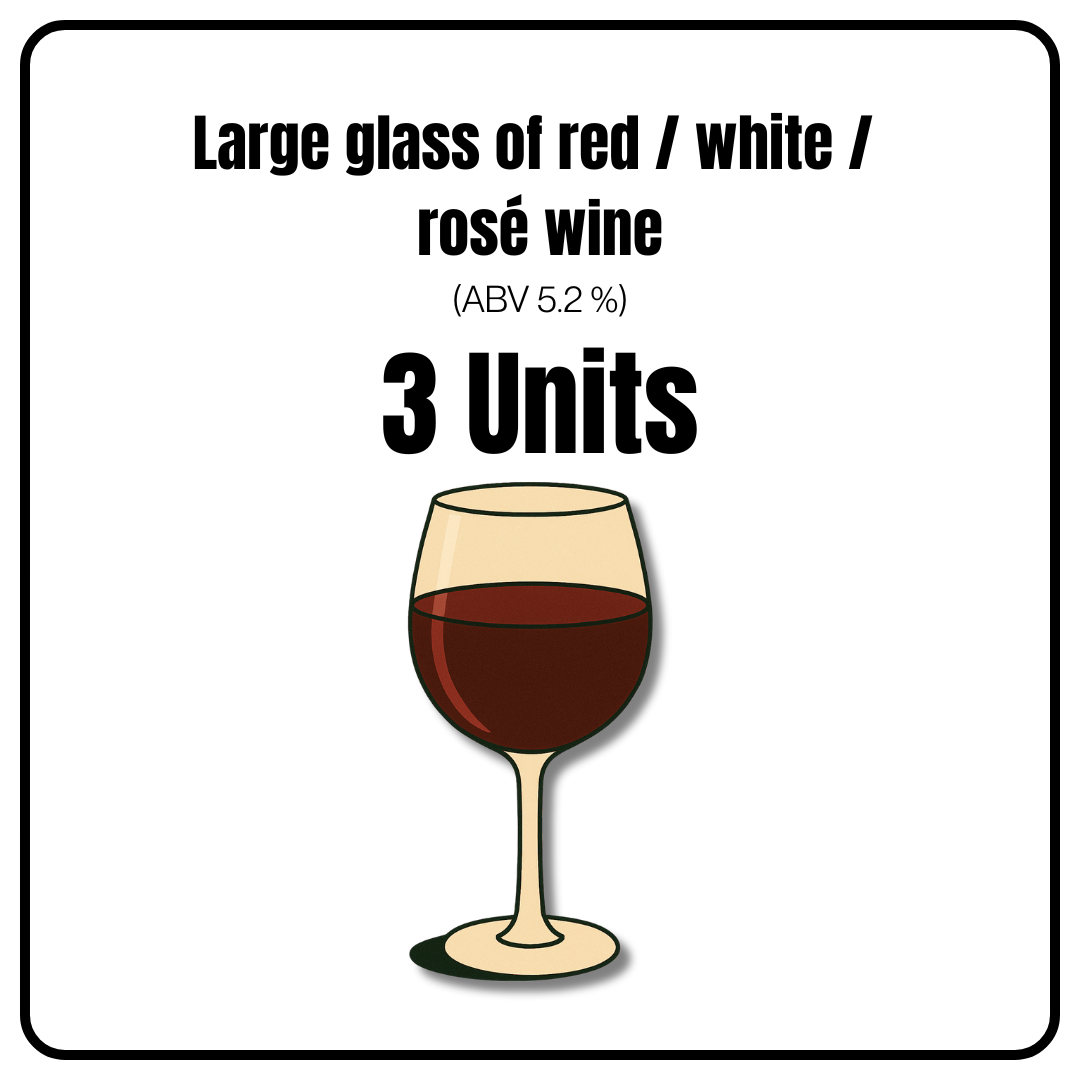
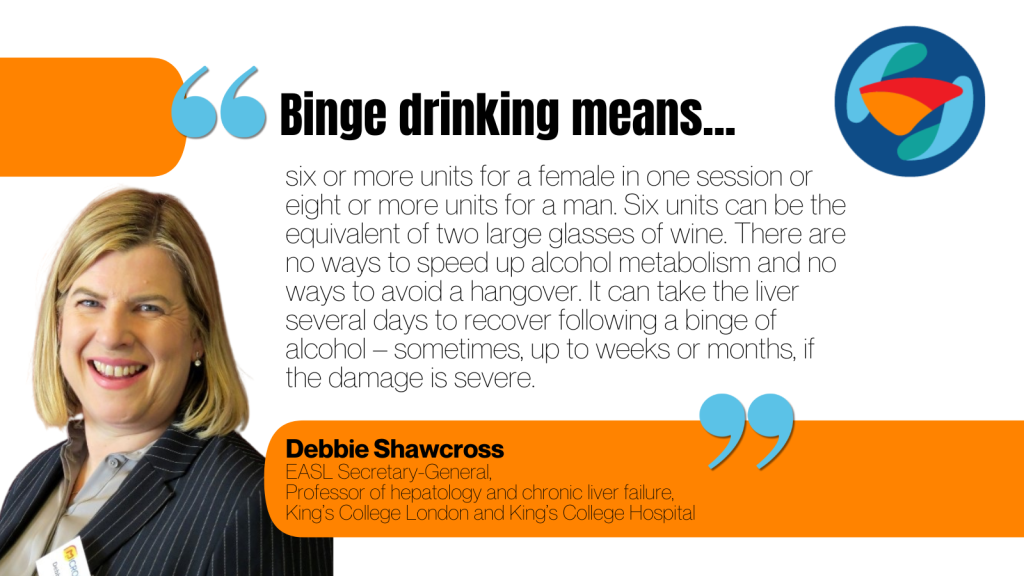
14 units per week: what does this mean?

  • ABV means alcohol by volume. It shows how much pure alcohol a drink contains, written as a percentage of the total liquid. A beer labelled 5 % ABV has 5 % pure alcohol, a wine labelled 13 % ABV has 13 %  pure alcohol. ABV lets you compare drinks by strength, not by type or serving size.
  • Units give a simple way to track how much pure alcohol you are consuming.
  • Calculate units in your drink with this formula: strength (ABV) x volume (ml) ÷ 1,000 = units

Simple ways to reduce your alcohol intake.

  • Know your limits: If you drink, stay within the recommended guidelines—no more than 14 units a week, spread across several days.

  • Take regular alcohol-free days: Give your liver time to rest and repair.

  • Find alternatives: Try sparkling water, mocktails or alcohol-free beers and wines.

  • Plan ahead: When socialising, decide how much you’ll drink before you start.

  • Ask for support: If you struggle to cut down, talk to your GP or reach out to local support services. You are not alone.

To reduce health risks from alcohol to a lower level:

  • men and women are advised not to drink more than 14 units a week
  • spread your drinking over three or more days if you regularly drink as much as 14 units a week
  • if you want to cut down, try to have several drink-free days each week

Did you know?

After just a few weeks without alcohol, many people notice better sleep, clearer skin, improved concentration and more energy. Most importantly, your liver begins to recover—reducing inflammation and fat build-up.

Make this World Liver Day the start of a healthier relationship with alcohol. Choose to drink less, or not at all, and give your liver the care it deserves.

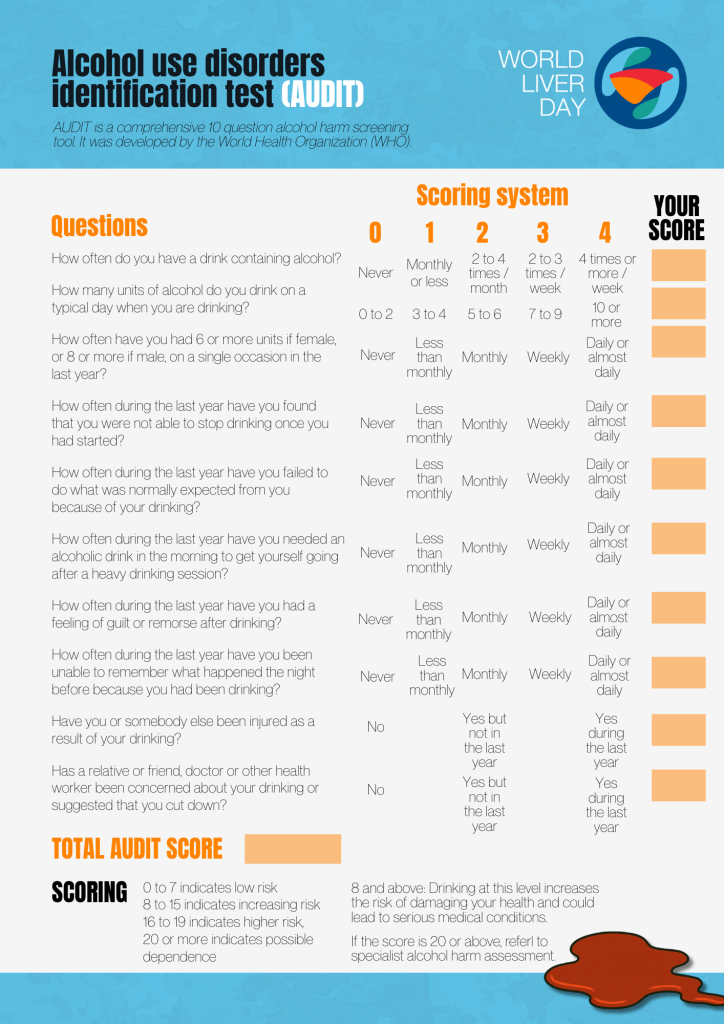
Check your drinking.

Check how healthy your drinking is with this quick questionnaire.

Resources.