REGULAR CHECK UPS

Regular check-ups help detect liver problems early, often before any symptoms appear. Making routine assessments part of your health habits gives you the best chance to protect your liver and stay well in the future.

Early detection saves lives.

regular check ups

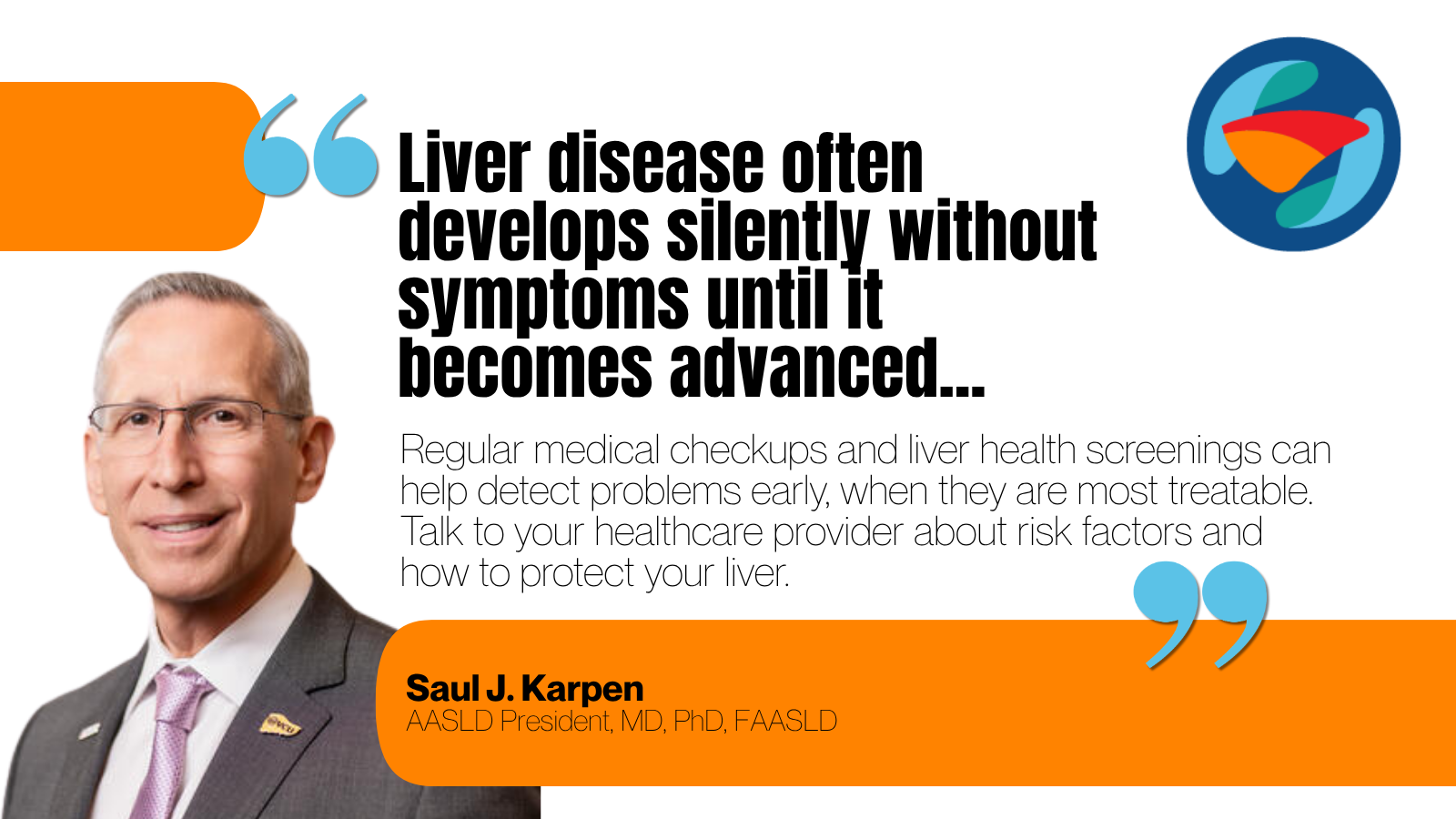
Regular check-ups are one of the most effective ways to protect liver health. Many liver conditions develop silently, often without noticeable symptoms until they are advanced. Taking time for routine screenings gives people the chance to detect problems early, act quickly and maintain long-term wellbeing.
Why it matters:

The liver is a resilient organ, however it can be affected by everyday choices, hidden infections and long-term conditions. Regular assessments allow healthcare professionals to look for early changes, offer tailored advice and track any risks over time.

People benefit from check-ups because:

• Early detection means better outcomes
Many liver diseases are silent in their early stages
Blood tests and scans can reveal problems long before symptoms appear
• Healthcare professionals can guide lifestyle changes that support recovery and prevention

Who should get checked?

Routine liver screenings are helpful for everyone, however they are particularly important for people affected with:

  • Alcohol use or past heavy use
  • Overweight/ obesity or the metabolic syndrome
  • Type 2 diabetes
  • High cholesterol
  • Viral hepatitis exposure
  • A family history of liver disease
  • Long-term medication use that may affect the liver

Many adults benefit from a check-up every one to three years, while people with known risks may need more frequent reviews.

Warning signs that need prompt medical advice.

Most liver diseases show no early warning signs. Even so, certain symptoms should lead you to speak with a healthcare professional as soon as possible:

• Ongoing tiredness (without an explanation)
Nausea or reduced appetite
Pain or discomfort under the ribs on the right side
• Persistent itching
Dark urine or very pale stools
Yellowing of the skin or eyes
Swelling in the legs, ankles or abdomen

What to expect from a liver test?

A liver check-up is straightforward and usually includes several quick steps.

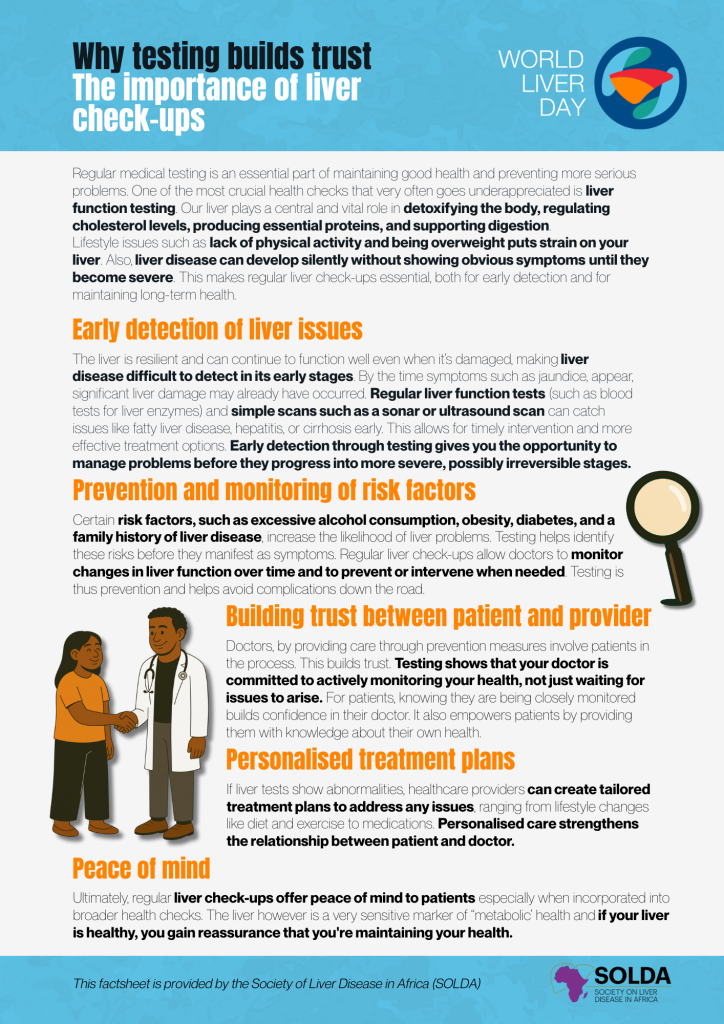
Discussion and medical history

Your clinician may ask about other medical conditions, medications, supplements, alcohol intake, dietary habits, physical activity levels and family history. This conversation helps them understand your risks.

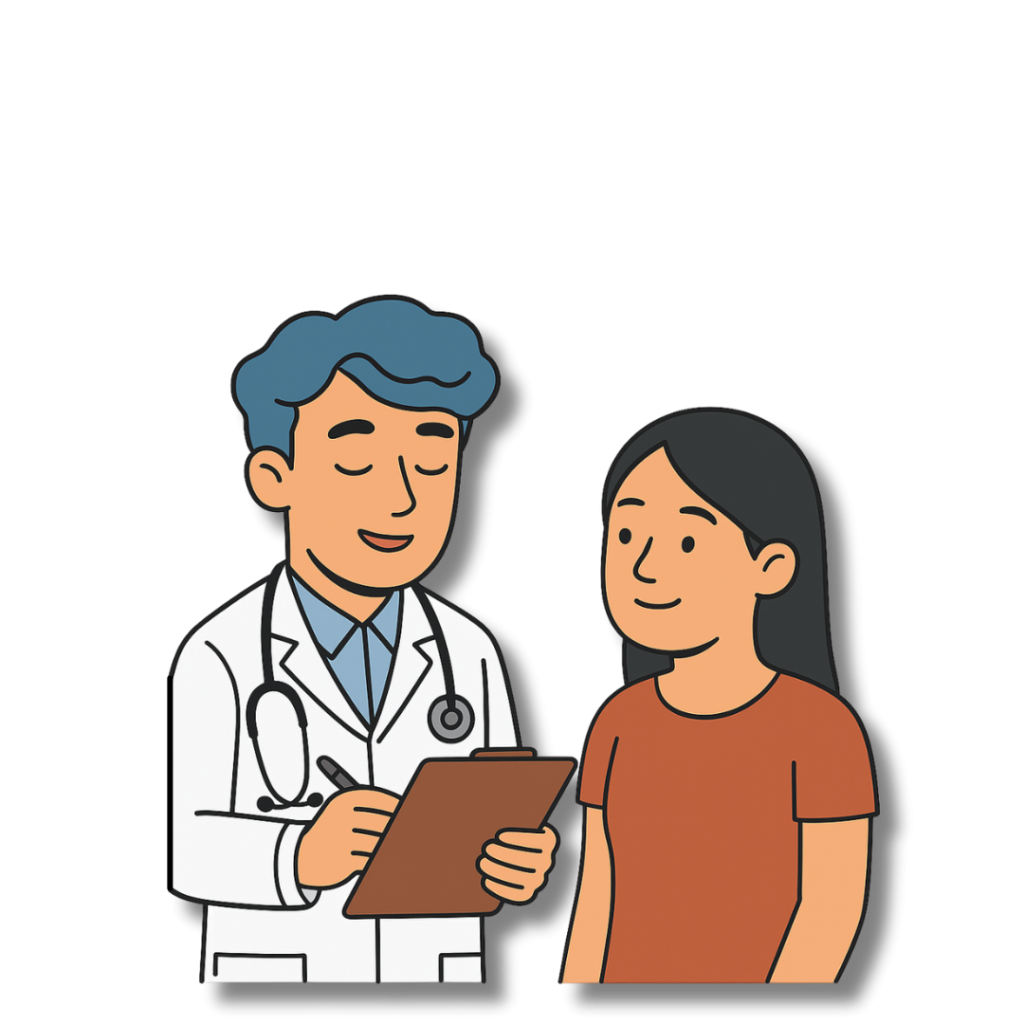
Physical examination

A simple examination may include checking your abdomen, measuring blood pressure, recording height, weight, and waist circumference and calculating your body mass index.

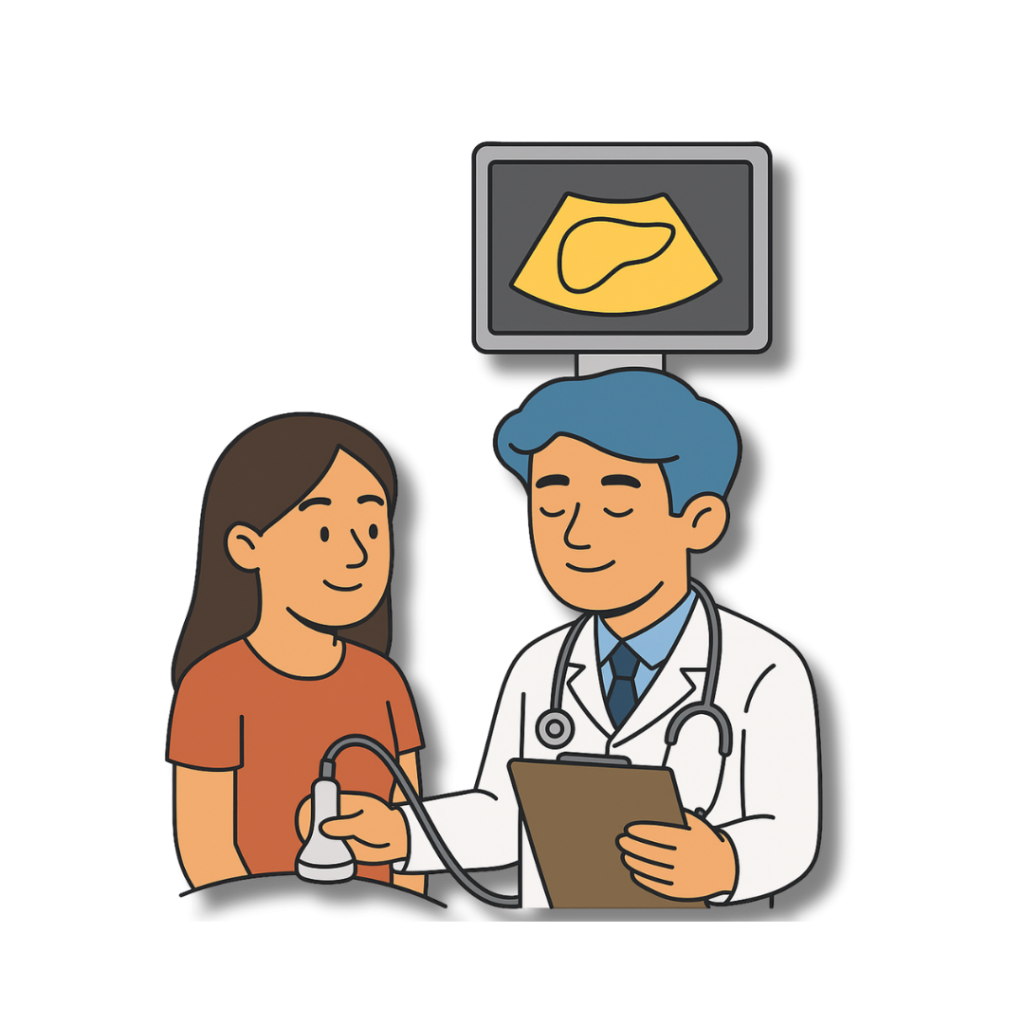
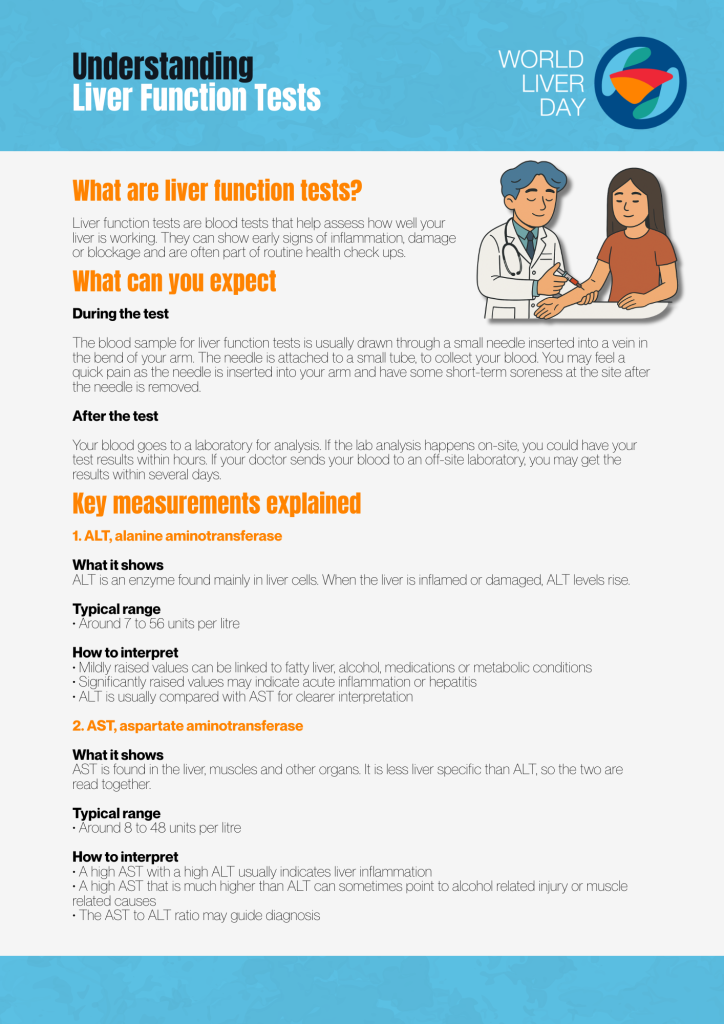
Blood tests – Liver Function Tests

A standard set of liver function tests often includes ALT, AST, GGT, ALP, bilirubin and albumin. Additional tests may be recommended depending on your risk factors.

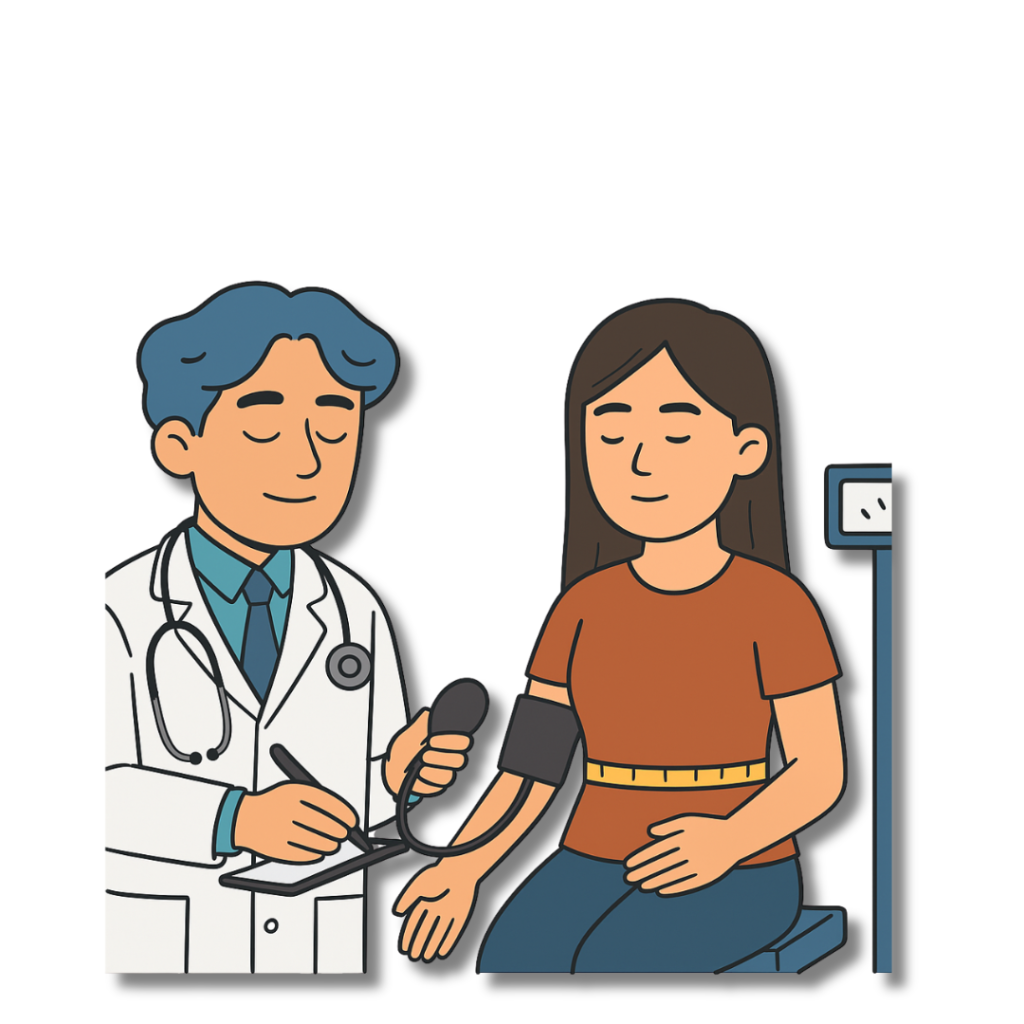
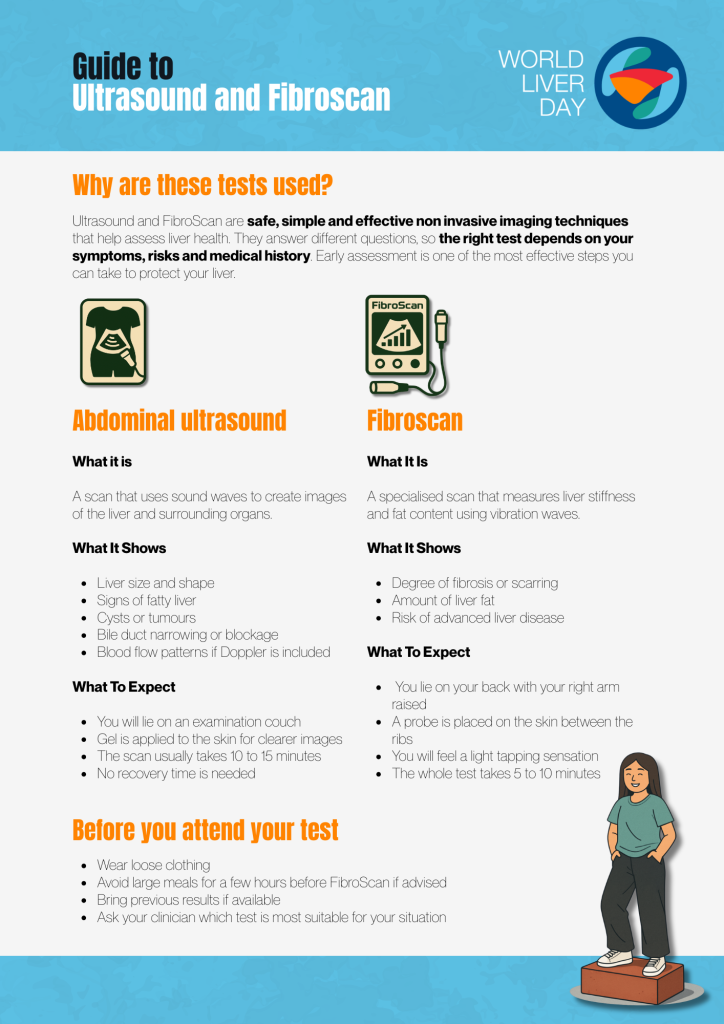
Imaging and non-invasive tests

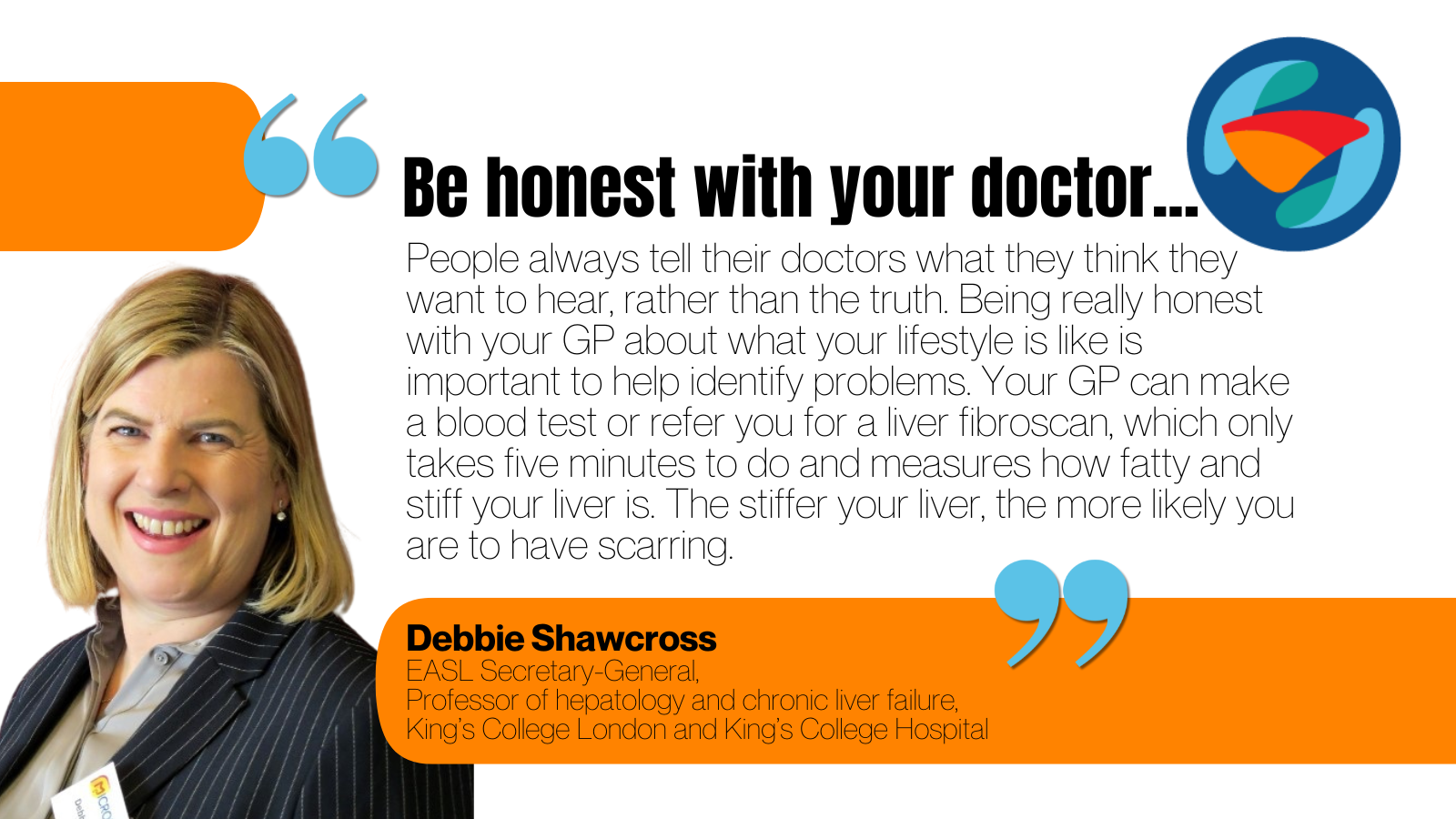
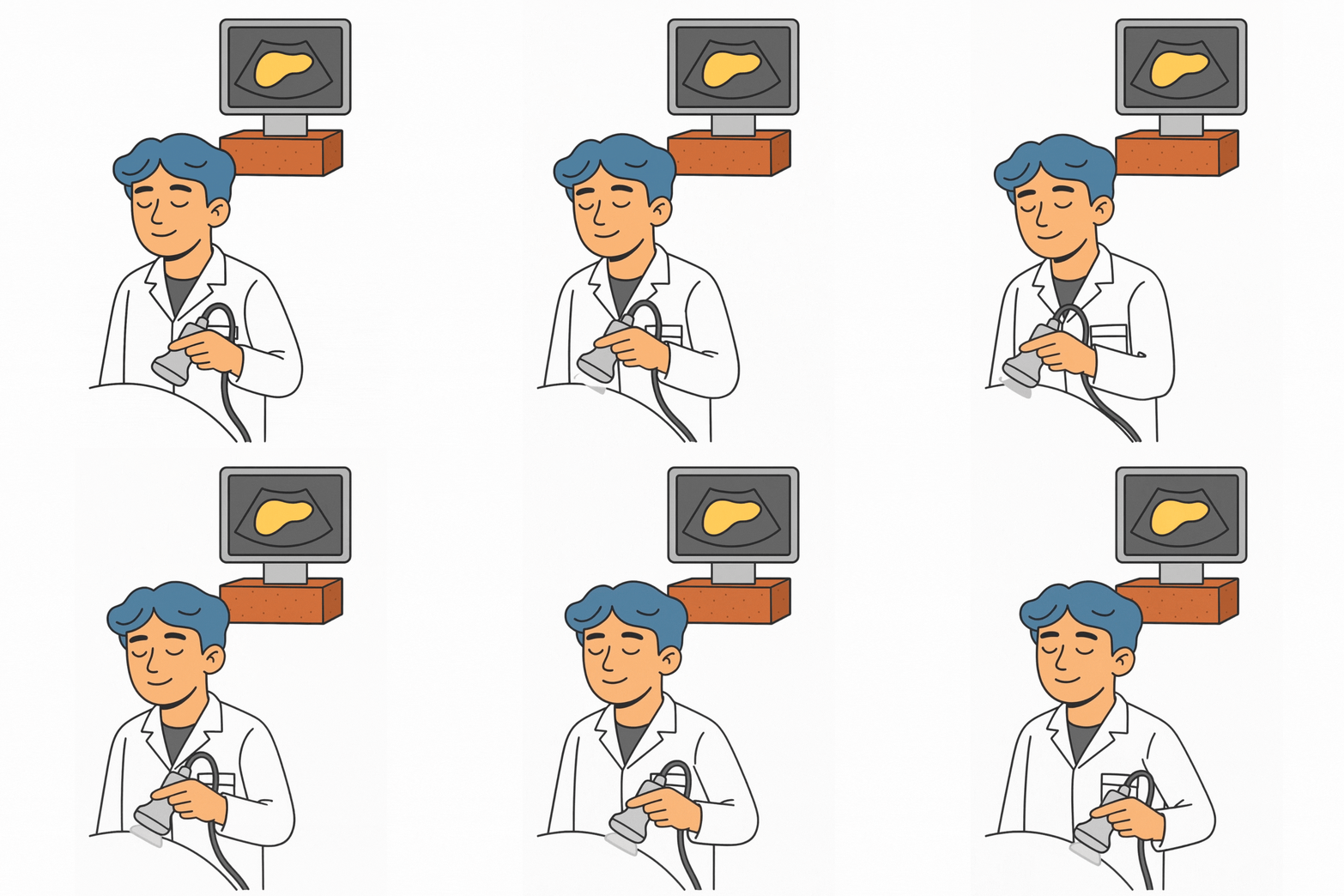
Some people may be offered an ultrasound scan or FibroScan. These tests are painless and help assess liver fat and stiffness, which are key indicators of early disease.

Find out more about the differences between Liver Function Tests and Non-Invasive Imaging techniques! 

Resources.