BALANCED DIET

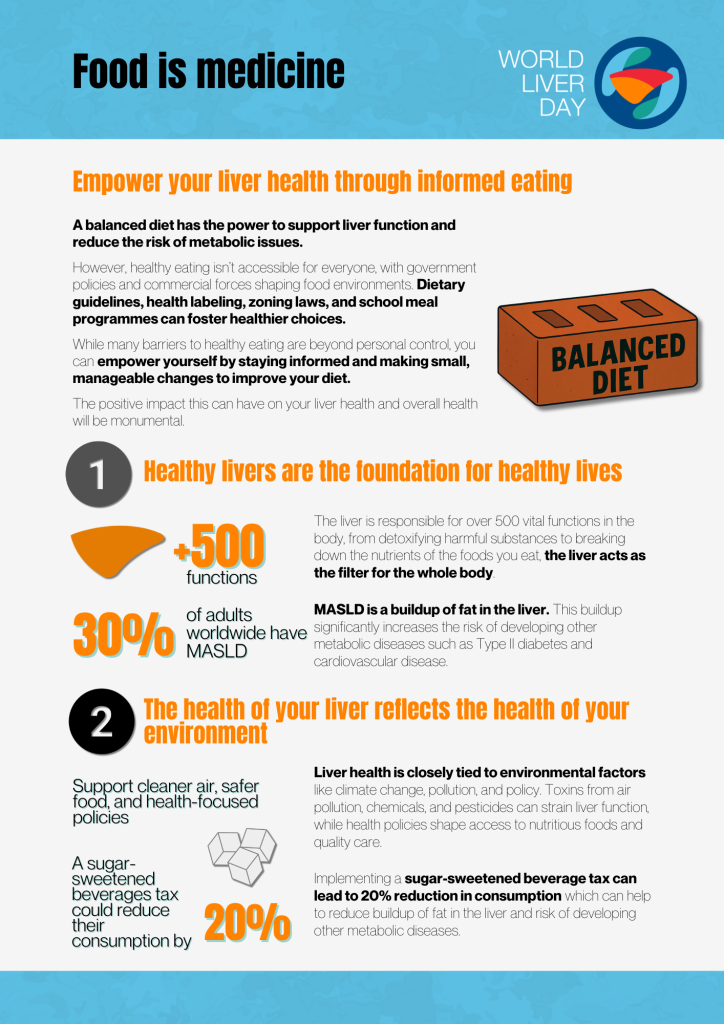
A balanced diet rich in whole foods—fruits, vegetables, whole grains, and lean proteins—helps prevent disease and supports liver function.

Food is medicine.

food is medicine

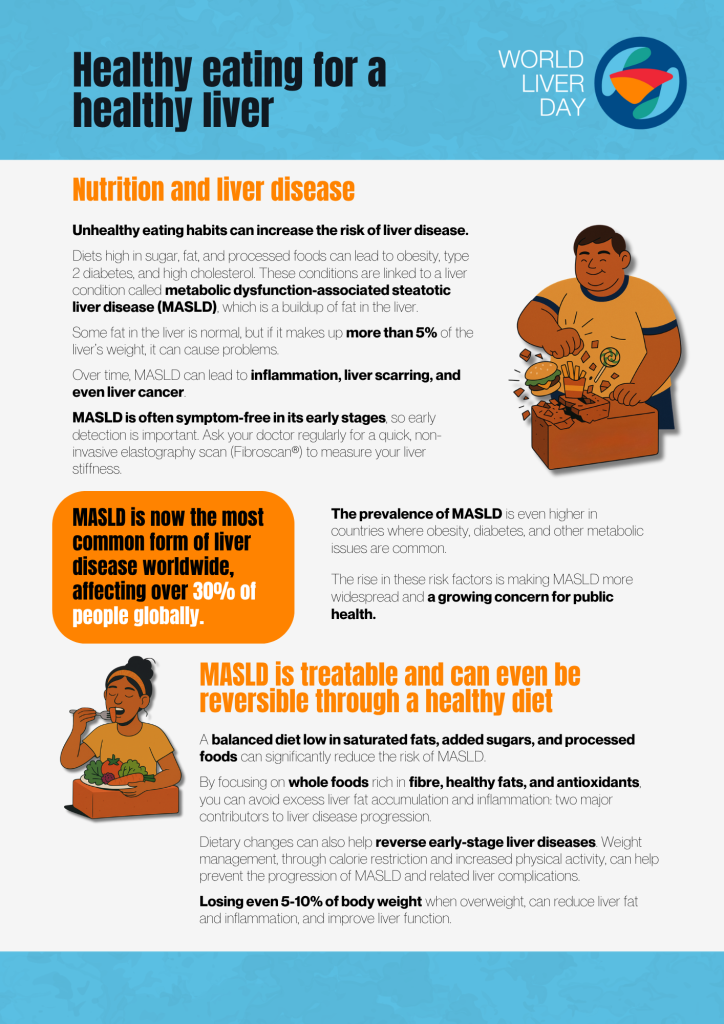
Your liver turns food into energy and vital proteins. When your diet is high in fat, sugar or ultra-processed foods, fat can build up in the liver and lead to inflammation or scarring. The good news is that healthy changes to what you eat can quickly improve liver health, even if you already have early signs of liver disease.

Eating well protects your liver by reducing fat build-up, improving liver function, and supporting overall wellbeing

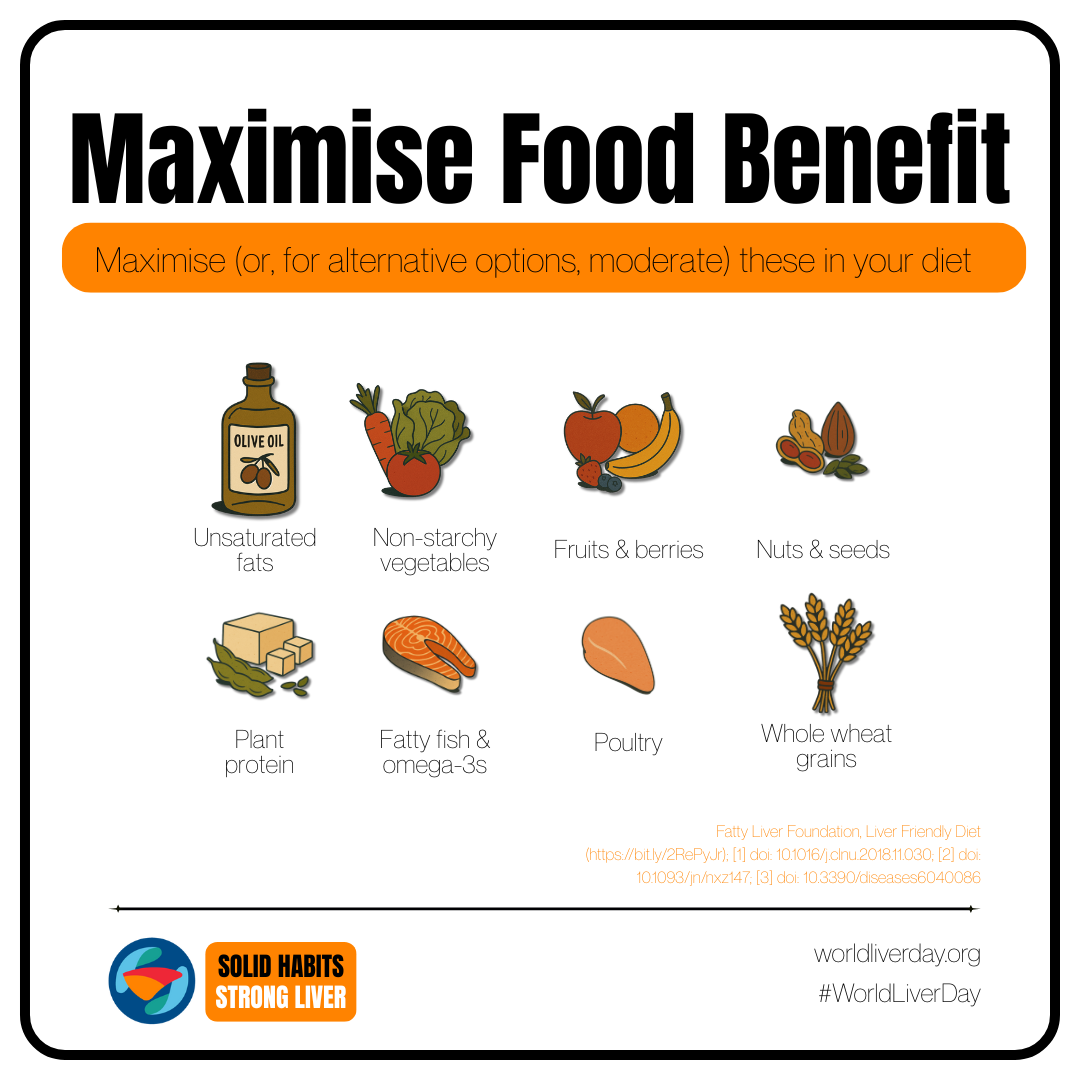
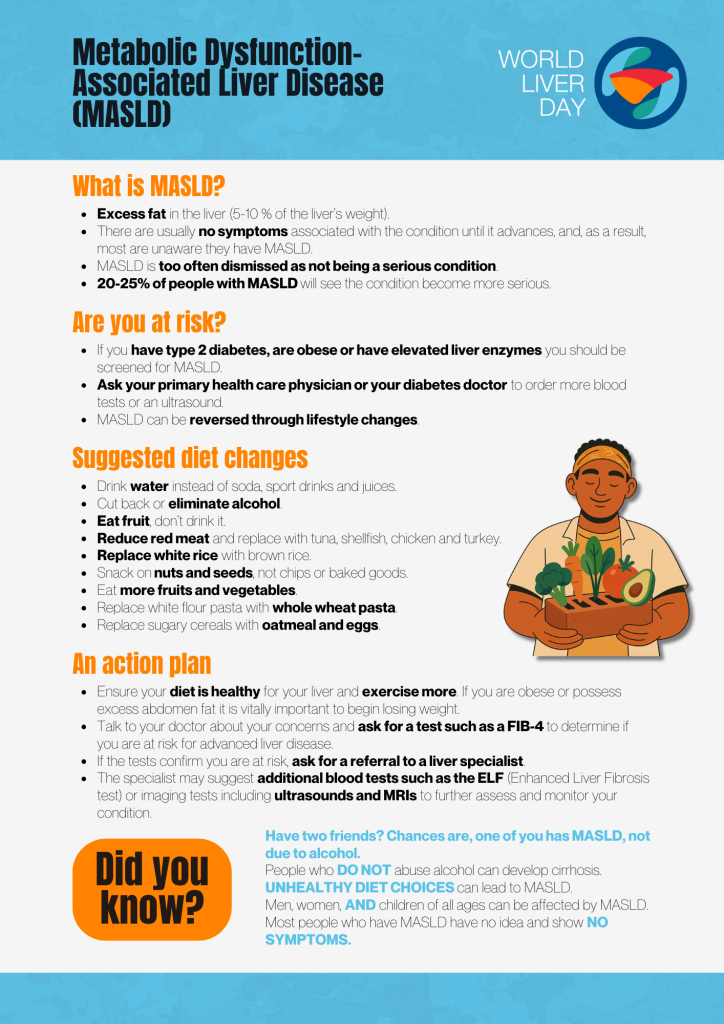
For people with MASLD, choosing nutritious foods can slow or even reverse liver damage. Focus on fruits, vegetables, whole grains, lean proteins, and healthy fats like olive oil, while limiting added sugars, red meat, and ultra-processed foods.

Aim for variety and colour on your plate, and make small, sustainable changes : cook more at home, drink water instead of sugary drinks, and enjoy foods that truly nourish you.
Every smart choice helps your liver stay strong and healthy for life.
MASLD affects over one third of the global adult population, driven in large part by poor dietary habits.

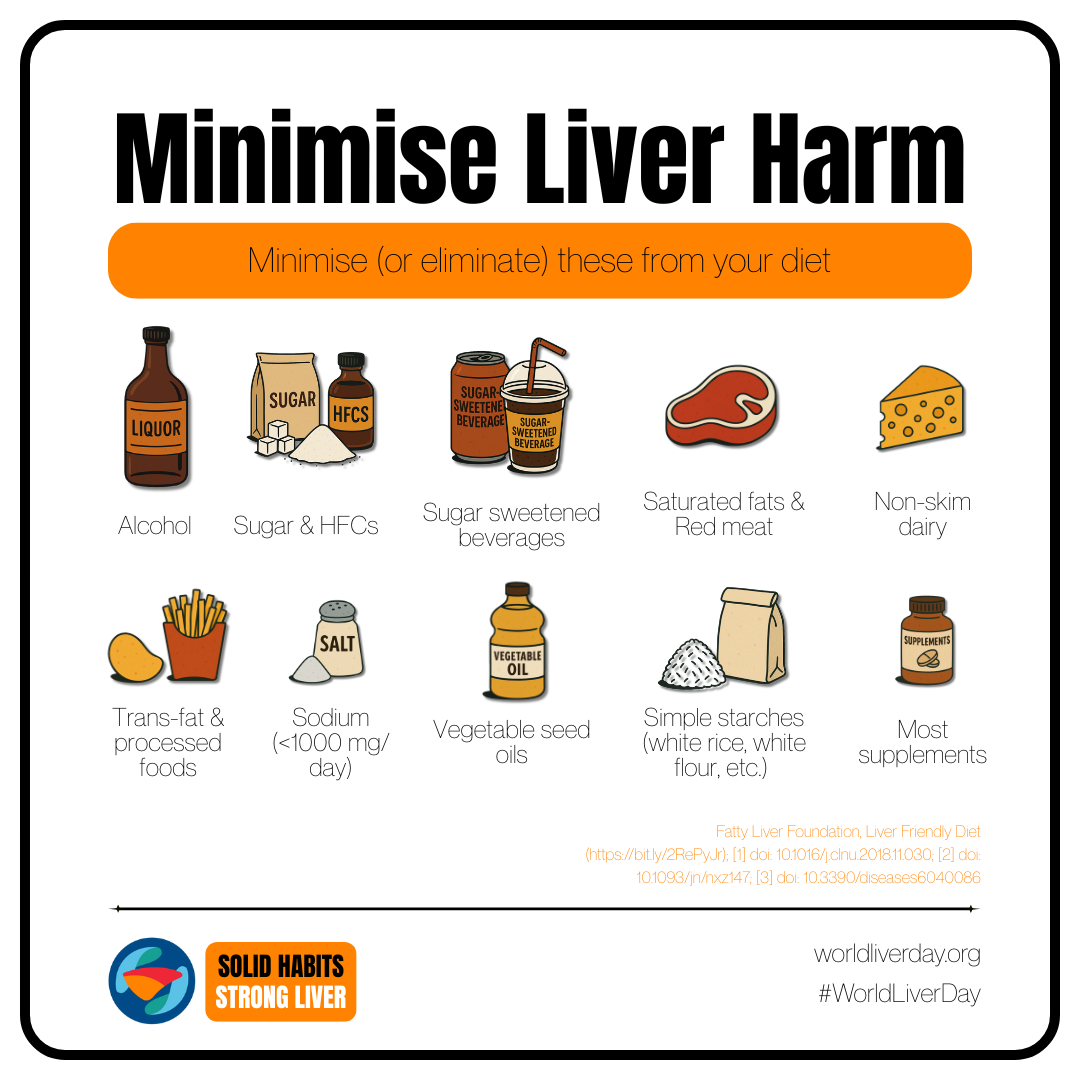
MASLD & other liver conditions are often linked to modern diets high in ultra-processed foods (UFPs), red meat and added sugar, especially in communities where healthy food options are harder to find.

For many, healthy eating is neither accessible nor affordable. Policies and commercial influences shape food environments, making nutritious choices easier or harder. Governments can promote health through dietary guidelines, food labelling, zoning laws, taxes on unhealthy foods, and school meal programmes.

Recommendations.

FIVE A DAY

Eating at least 400 g (five portions) of fruit and vegetables daily lowers the risk of noncommunicable diseases (NCDs) and ensures sufficient fibre intake.

Increase intake by:

  • including vegetables in every meal - frozen/tinned vegetables can be just as good and are often cheaper than fresh options
  • choosing fresh fruit or raw vegetables for snacks
  • eating seasonal produce
  • varying fruit and vegetable types
LESS SALT

Most people consume too much sodium (9–12 g salt per day) and too little potassium, raising blood pressure and increasing disease risk. Reducing salt to under 5 g per day could prevent 1.7 million deaths annually.

  • limiting salt and high-sodium condiments in cooking

  • avoiding salt or sauces at the table

  • cutting back on salty snacks

  • choosing low-sodium products and checking labels

  • Increase your potassium by eating more fresh fruit and vegetables.

    ULTRA-PROCESSED FOOD

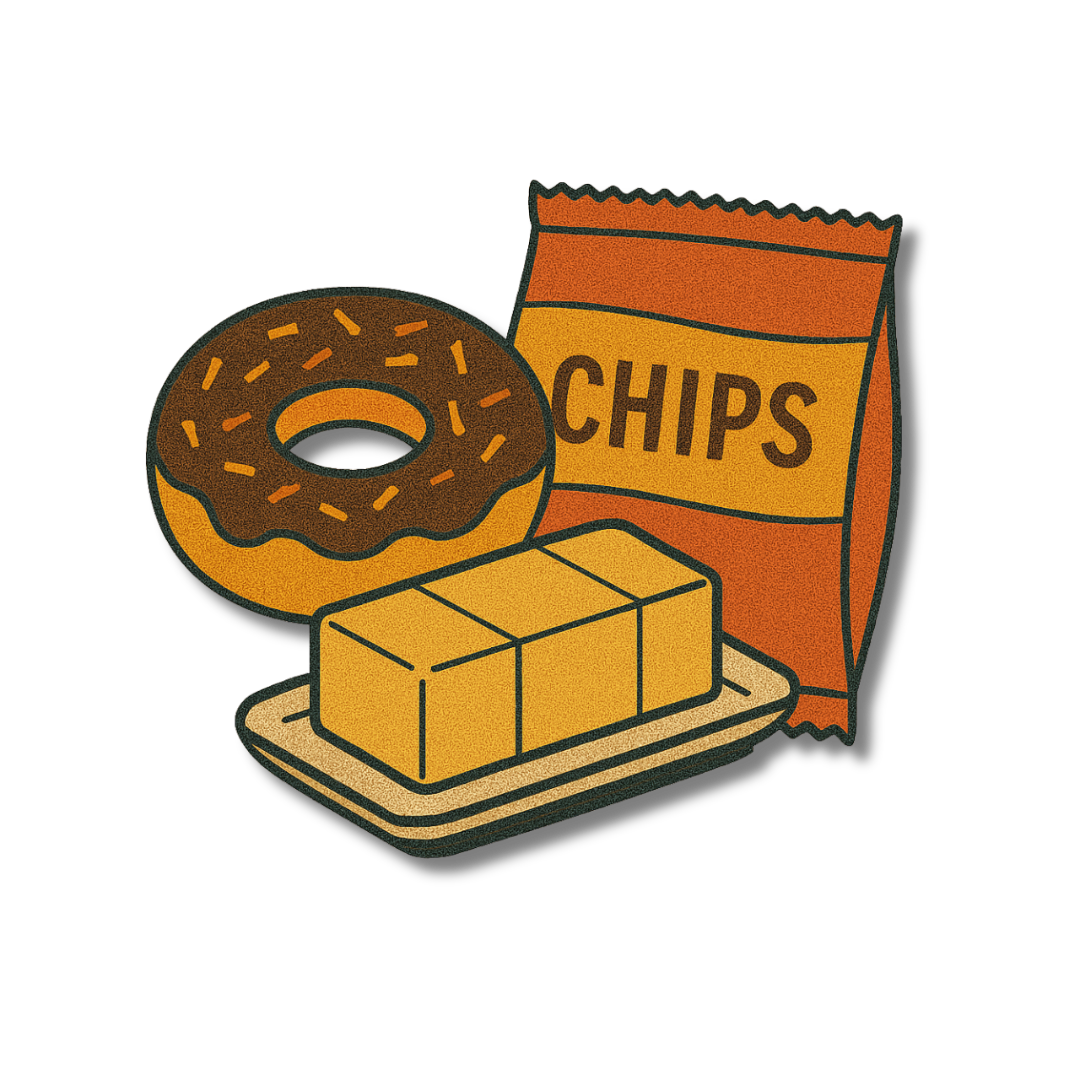
    Ultra-processed foods and drinks (UPF), are branded, commercial formulations made from cheap ingredients extracted or derived from whole foods, undergoing multiple industrial processes, combined with additives, and mostly containing little to no whole food.

    UPF contains characteristic ingredients of no or rare other culinary use and tend to be high in energy, salt, sugars, and fat (in particular saturated), with low nutritional value and low fiber content. Studies show that an ultra-processed dietary pattern is releated with an increased risk of overweight or obesity, diabetes, liver disease, heart disease and many other chronic diseases.

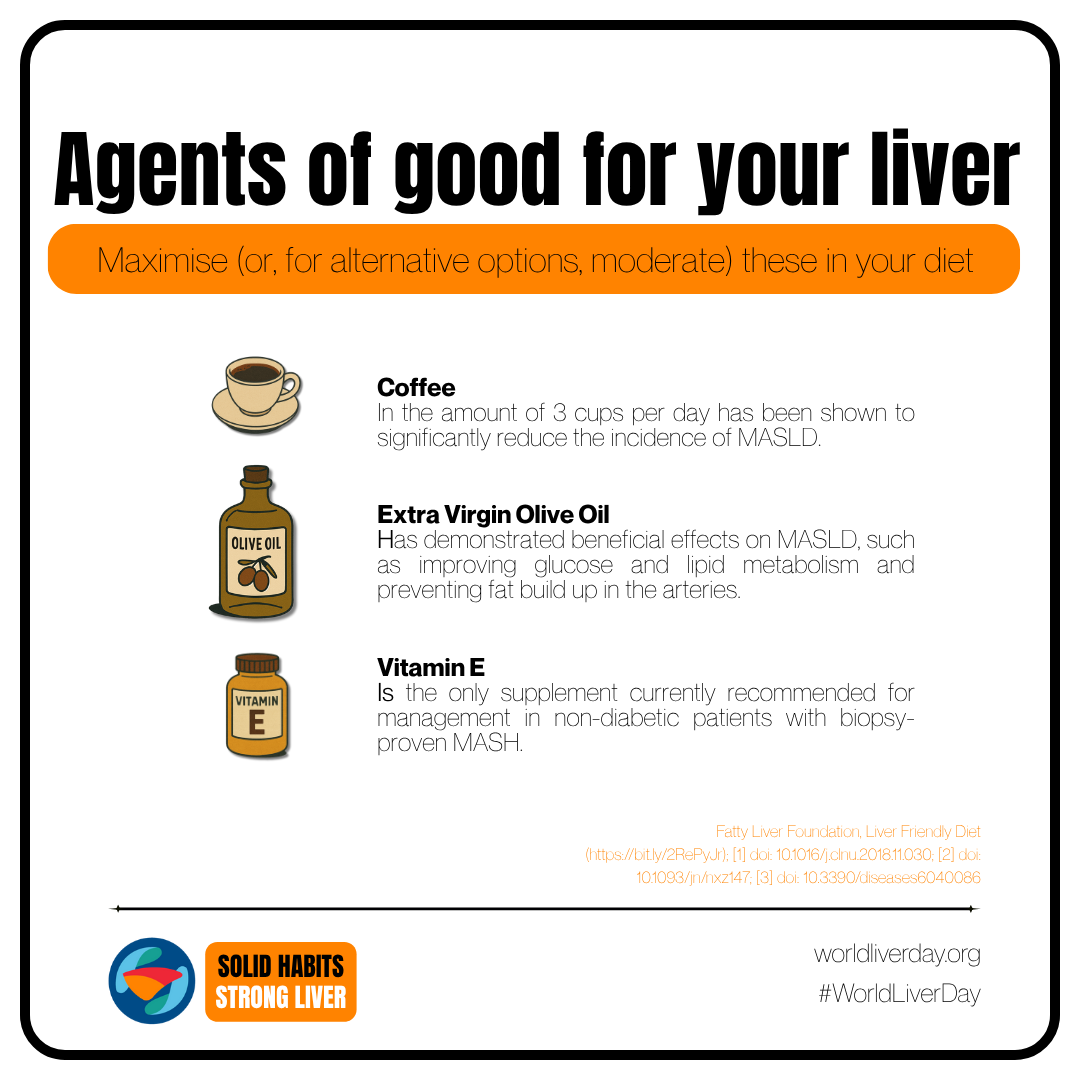
    Eat fresh, minimally processed foods Incorporating the principles of maintaining the Mediterranean diet or similar diets such as: increasing the consumption of whole grains, legumes (e.g., lentils, beans, chickpeas, green peas, soybeans), nuts, olive oil, plant-based proteins, fish, seafood, low-fat dairy products, fruits and vegetables; while, reducing the intake of red and processed meats, saturated and trans fats.

    LIMIT TOTAL FAT INTAKE

    FACT:

    Reduce unhealthy fat intake by:

    • steaming or boiling instead of frying
    • using vegetable oils rich in polyunsaturated fats (e.g. olive, canola, soybean, sunflower)
    • choosing reduced-fat dairy and lean meats or trimming fat
    • limiting fried, baked and pre-packaged foods high in industrial trans-fats or palm oil (found in processed food)
    SUGAR INTAKE

    FACT:

    Free sugars should make up less than 10% of total energy intake, ideally below 5% for extra health benefits. Excess sugar increases the risk of tooth decay, obesity and cardiovascular disease.
    Reduce sugar intake by:

    • limiting sugary snacks, sweets and drinks (including soft drinks, juices, energy drinks, flavoured waters, sweetened milk drinks and alcoholic-high sugar beverages - alcopops)
    • choosing fresh fruit or raw vegetables instead of sugary snacks
    WEIGHT LOSS

    Engage in personalised nutritional interventions to reduce weight ≥5% (3%–5% in persons with a normal or lean BMI) to reduce liver fat, body weight reduction of 7% to 10% to decrease liver inflammation, and body weight loss ≥10% to reduce fibrosis. Remember, any modest weight reduction and even avoidance of weight gain count for your liver health.

    FIVE A DAY

    Eating at least 400 g (five portions) of fruit and vegetables daily lowers the risk of noncommunicable diseases (NCDs) and ensures sufficient fibre intake.

    Increase intake by:

    • including vegetables in every meal - frozen/tinned vegetables can be just as good and are often cheaper than fresh options
    • choosing fresh fruit or raw vegetables for snacks
    • eating seasonal produce
    • varying fruit and vegetable types
    ULTRA-PROCESSED FOOD

    Ultra-processed foods and drinks (UPF), are branded, commercial formulations made from cheap ingredients extracted or derived from whole foods, undergoing multiple industrial processes, combined with additives, and mostly containing little to no whole food.

    UPF contains characteristic ingredients of no or rare other culinary use and tend to be high in energy, salt, sugars, and fat (in particular saturated), with low nutritional value and low fiber content. Studies show that an ultra-processed dietary pattern is releated with an increased risk of overweight or obesity, diabetes, liver disease, heart disease and many other chronic diseases.

    Eat fresh, minimally processed foods Incorporating the principles of maintaining the Mediterranean diet or similar diets such as: increasing the consumption of whole grains, legumes (e.g., lentils, beans, chickpeas, green peas, soybeans), nuts, olive oil, plant-based proteins, fish, seafood, low-fat dairy products, fruits and vegetables; while, reducing the intake of red and processed meats, saturated and trans fats.

    LIMIT TOTAL FAT INTAKE

    FACT:

    Reduce unhealthy fat intake by:

    • steaming or boiling instead of frying
    • using vegetable oils rich in polyunsaturated fats (e.g. olive, canola, soybean, sunflower)
    • choosing reduced-fat dairy and lean meats or trimming fat
    • limiting fried, baked and pre-packaged foods high in industrial trans-fats or palm oil (found in processed food)
    WEIGHT LOSS

    Engage in personalised nutritional interventions to reduce weight ≥5% (3%–5% in persons with a normal or lean BMI) to reduce liver fat, body weight reduction of 7% to 10% to decrease liver inflammation, and body weight loss ≥10% to reduce fibrosis. Remember, any modest weight reduction and even avoidance of weight gain count for your liver health.

    Download the factsheets.

    Download the factsheets below to learn more about liver health and its link with nutrition, and make informed choices for better well-being.

    Conversation with a dietitian.

    Watch the videos featuring Prof. Shira Zelber-Sagi, a leading expert in nutrition and liver health. As a clinical dietitian, epidemiologist, and researcher, she brings extensive experience in the connection between diet and liver disease. 

    Bust myths!

    In this Myth Busting section, we debunk common misconceptions about liver health and nutrition, separating fact from fiction. By addressing these myths, we empower you with accurate, science-backed information to make informed decisions about your liver health.

    I can eat and drink whatever I want because the liver will filter and process everything

    FACT:

    Diets high in sugar, refined carbohydrates, and trans/saturated fats can overwhelm the liver’s capacity to process fats which lead to a buildup and increased risk of liver disease.
    There are no specific foods that will cleanse the liver

    FACT:

    Foods rich in fiber, healthy fats, and lean protein – whole grains, leafy greens, nuts, and fish – all support your liver health by reducing inflammation and enhancing fat metabolism (fat breakdown).
    Mealtimes don’t matter, I can eat whenever I feel like it

    FACT:

    Maintaining regular mealtimes helps regulate blood sugar levels and reduces the strain on the liver. Eating late at night, skipping breakfast, only eating one meal a day can increase the risk of developing metabolic disorders.
    Snacking is bad and I should always avoid it in favour of bigger meals

    FACT:

    Even if you’re eating regular meals, having healthy snacks can help to control hunger, prevent overeating at mealtimes, and curb unhealthy cravings.
    Dieting can help me achieve long-term health and weight loss

    FACT:

    Fad diets focus on quick fixes by eliminating essential food groups which can stress the liver, harm metabolism, and make it harder for people to maintain weight loss long-term.
    Food supplements are safe and necessary for a healthy diet

    FACT:

    No evidence supports the benefits of supplements in reducing the risk of noncommunicable diseases in healthy people. Consult with your health provider to get guidance based on your specific needs.
    You can “flush out” fat from the liver

    FACT:

    Adopting a balanced diet and regular physical activity can reduce liver fat but there is no single substance, food, or supplement that can directly remove fat from the liver. Sustainable weight loss & healthy lifestyle changes are key.
    There is a limit on the amount of flavouring I can use on my food

    FACT:

    Spices, vinegars, and extra virgin olive oil are crucial components of nutrition. They have antioxidant, antiviral, antibiotic, anticoagulant, and anti-inflammatory properties. Use them in your meals.
    After a week of heavy drinking or eating a lot of fast foods, I can do a liver cleanse to bring me back to normal health

    FACT:

    The liver is naturally self-cleaning and doesn’t typically need assistance from special cleanses to function. Most improvements felt after cleanses are due to a temporary reduction in alcohol or fast-food consumption. Aim for constant healthy habits instead.

    What’s in my food?

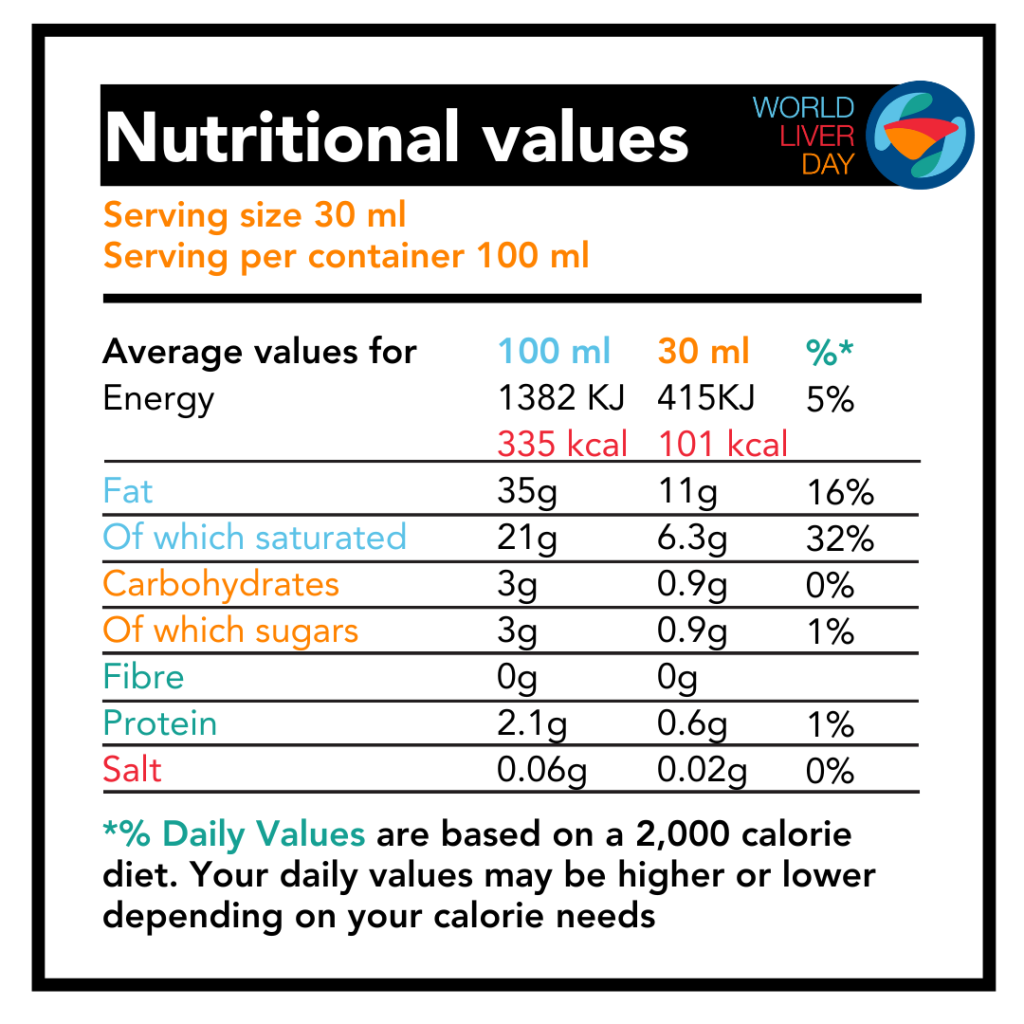
    1. Food labeling is useful to make informed, healthy choices. Labels typically display serving sizes, calories, nutrients (like fats, sugars, protein, fiber), and % Daily Value to guide daily intake based on a 2,000-calorie diet. Understanding these components helps us manage our dietary needs, avoid over consumption, and choose healthier options.

    2. Ingredients are listed by weight, with the most prominent ones first. Recognisable, whole ingredients generally indicate a healthier option, while added sugars, artificial flavors, and preservatives suggest more processed foods. 

    Limit saturated fats, trans fats, and added sugars: these are linked to liver disease, in addition to obesity and heart disease.

    Sugar intake should be less than 10% of total energy intake and as low as possible, with zero consumption of sugar sweetened beverages.

    Reduce consumption of ultra-processed foods that are usually rich in sugar, unhealthy fats, and salt, while low in fiber and vitamins and minerals.

    Prefer fresh foods, or minimally processed foods, fruit, and vegetables, legumes and home-based cooking

    Scan your barcodes!

    Yuka is a mobile application that allows you to scan the barcode of food and cosmetic products in order to know their impact on health and the environment.
    In one scan, Yuka provides a quick and easy evaluation via a color code ranging from green to red. A detailed information sheet also allows you to understand the product rating and the criteria taken into account for it. When the product is poorly rated, Yuka
    independently recommends similar products that
    are better for your health.

    Check your supplements.

    LiverTox, developed by the National Institute of Diabetes and Digestive and Kidney Diseases (NIDDK), is a trusted online resource providing clear, evidence-based information about medications and liver health. It helps explain how prescription drugs, over-the-counter medications, and dietary and herbal supplements can affect the liver, offering insights into causes, symptoms, diagnosis, and management of liver-related issues. Information on a specific medication or supplement can be found by entering its name in the “Search this book” box or by browsing the list of agents by its first letter using the alphabetic list.

    Take home messages.

    Resources.